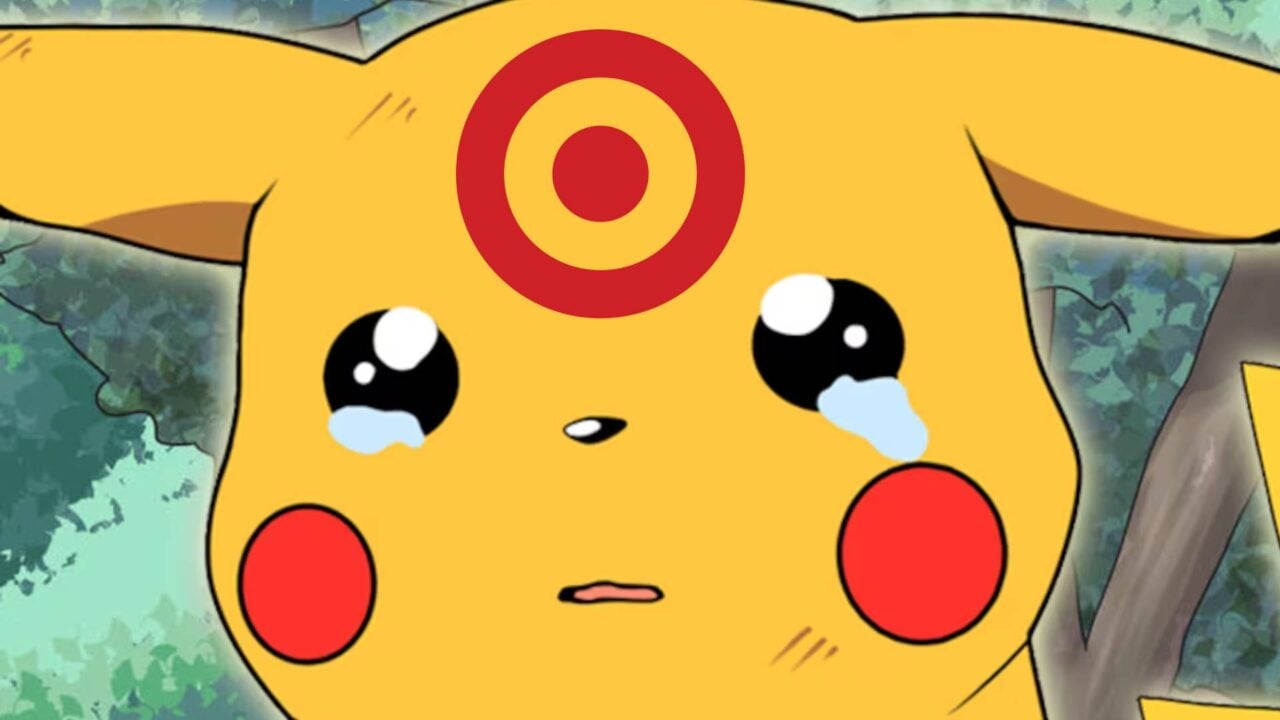
Target is marking up Pokémon Trading Card Game products above manufacturer suggested retail prices, frustrating collectors and casual players alike. The retailer has inflated prices on booster boxes, elite trainer boxes, and other sealed TCG products well beyond what The Pokémon Company recommends, according to reports from the community.
This practice differs from natural market fluctuations. Target appears to be deliberately setting higher price points across multiple product SKUs simultaneously. Booster boxes that typically retail for around $90-$100 are listed significantly higher at some Target locations. Elite trainer boxes face similar markup treatment.
The move mirrors broader retail pricing strategies but hits the TCG community particularly hard. Pokémon cards remain in high demand since the pandemic-era boom drove shortages and secondary market inflation. Players and investors depend on retail availability to access products at fair prices. When major retailers like Target artificially inflate prices, it narrows options for budget-conscious buyers.
Target's pricing power comes from its retail footprint. Unlike specialist card shops that maintain competitive pricing to build loyalty, big-box retailers can afford price hikes on niche products. The Pokémon TCG represents a small portion of Target's inventory, reducing pressure to stay competitive on specific SKUs.
The Pokémon Company maintains manufacturer suggested retail prices but lacks direct control over retail markup. Third-party sellers on Target.com add another layer of complexity, with some third-party vendors using inflated pricing algorithms.
Community members have documented the discrepancies across multiple Target locations and through Target's website. The practice affects accessibility for new players entering the hobby and budget collectors building collections. With Pokémon TCG enjoying sustained popularity and limited supply relative to demand, retailers face little penalty for price increases.
This situation underscores the tension between official retail channels and secondary market dynamics in the TCG space. As long as demand remains strong, retailers