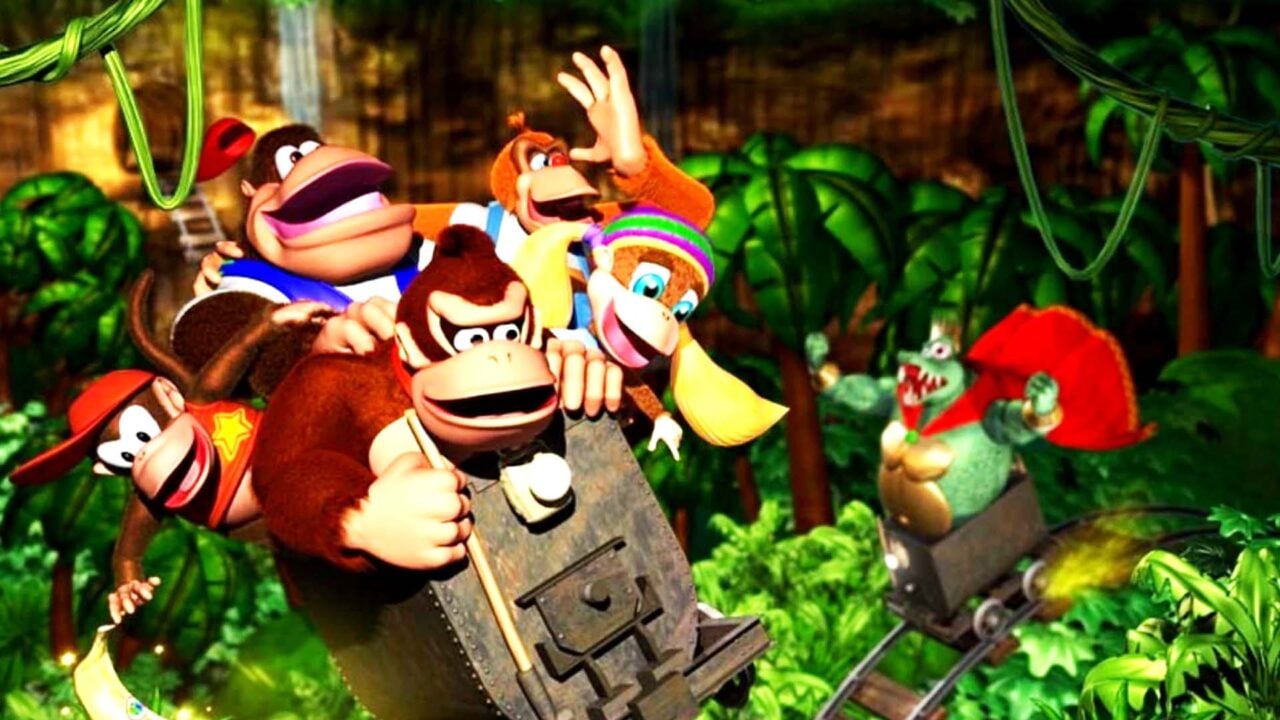
The modder spearheading an unofficial PC port of Donkey Kong 64 has publicly criticized a competing port project, claiming the rival team lacks technical rigor. The developer stated, "We have a competitor who is vibe coding their way through, and doing a very poor job of it." The comment highlights tensions within the emulation and porting community as multiple groups race to bring Nintendo's 1999 N64 platformer to PC.
Donkey Kong 64 remains exclusive to its original Nintendo 64 hardware and the Wii Virtual Console, making fan efforts to preserve and modernize the game attractive to players seeking enhanced graphics, higher frame rates, and keyboard-mouse controls. The game's complexity, including its massive size and intricate code architecture, makes porting it a genuine technical challenge.
The modder's criticism zeroes in on development methodology. "Vibe coding" refers to programming without systematic planning or rigorous testing, relying instead on intuition and quick fixes. For a port of DK64's scale, this approach can result in bugs, performance issues, and incomplete features that frustrate players expecting a polished experience.
Multiple unofficial ports of classic Nintendo games currently exist in various states of completion. Projects like this typically attract talented volunteers who dedicate thousands of hours to reverse-engineering and rebuilding games from scratch. The competition between groups often drives quality improvements but also creates public disputes about whose version represents the "official" fan-made standard.
Nintendo has historically pursued cease-and-desist orders against ROM hacks and unofficial ports, though enforcement remains inconsistent. The company's own Virtual Console services and limited re-releases have left many classic titles inaccessible, motivating fans to take preservation into their own hands.
The rivalry underscores a broader pattern in emulation communities where technical superiority becomes a point of pride. As both DK64 ports