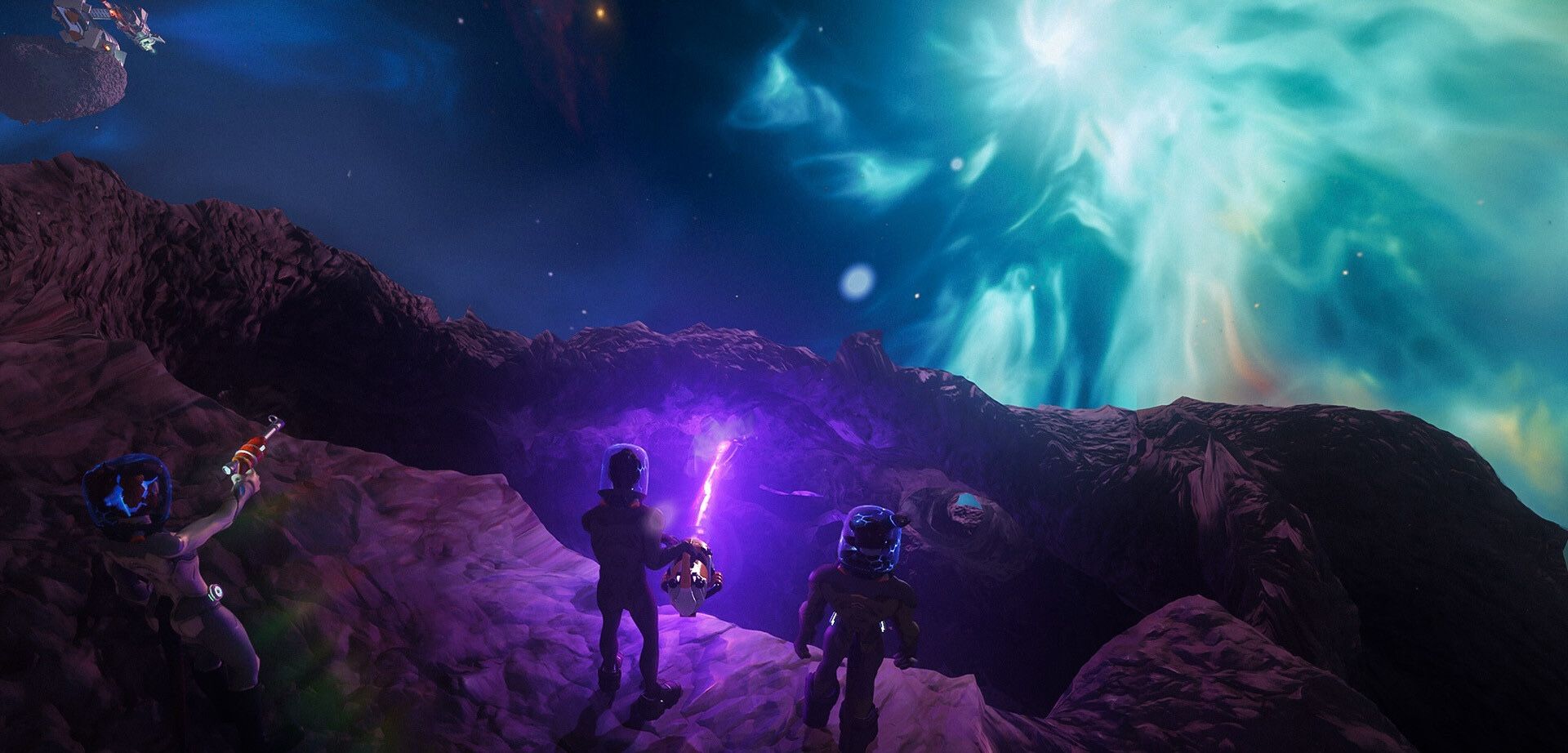
Raph Koster, legendary designer of Ultima Online and Star Wars Galaxies, launched Stars Reach on Steam Early Access with a vision to challenge World of Warcraft's dominance. The sandbox MMO represents Koster's latest attempt to deliver on systemic depth and player agency that defined his earlier classics.
Stars Reach prioritizes emergent gameplay over scripted content. Players shape the world through meaningful choices rather than following predetermined quest lines. The economy and territory control systems rely on player interaction, not developer-authored progression. Koster has openly stated the game targets a different audience than Blizzard's raid-focused juggernaut.
Steam's early reviews reveal tension between Koster's ambition and execution. Players praise the systemic foundation and potential for organic emergent gameplay. Critics point to performance issues, sparse content, and a steep learning curve that alienates casual players. The game lacks the polished onboarding that made WoW accessible to millions.
The market context matters here. World of Warcraft remains the genre's dominant force despite subscriber fluctuations. Final Fantasy XIV captured significant market share by iterating on WoW's formula with superior storytelling. Elder Scrolls Online occupies the sandbox niche, though players debate its execution.
Koster's approach rejects polish for authenticity. He's banking on players hungry for systemic complexity and consequence. That's a smaller audience than Blizzard targets, but potentially more engaged. The early access period determines whether Stars Reach refines its core systems before broader launch or stumbles under its own ambition.
This matters because the MMO space has consolidated around proven models. Koster's willingness to bet on depth over accessibility represents a philosophical statement. If Stars Reach gains traction, it validates alternative design thinking in a genre dominated by WoW copycats. If it falters