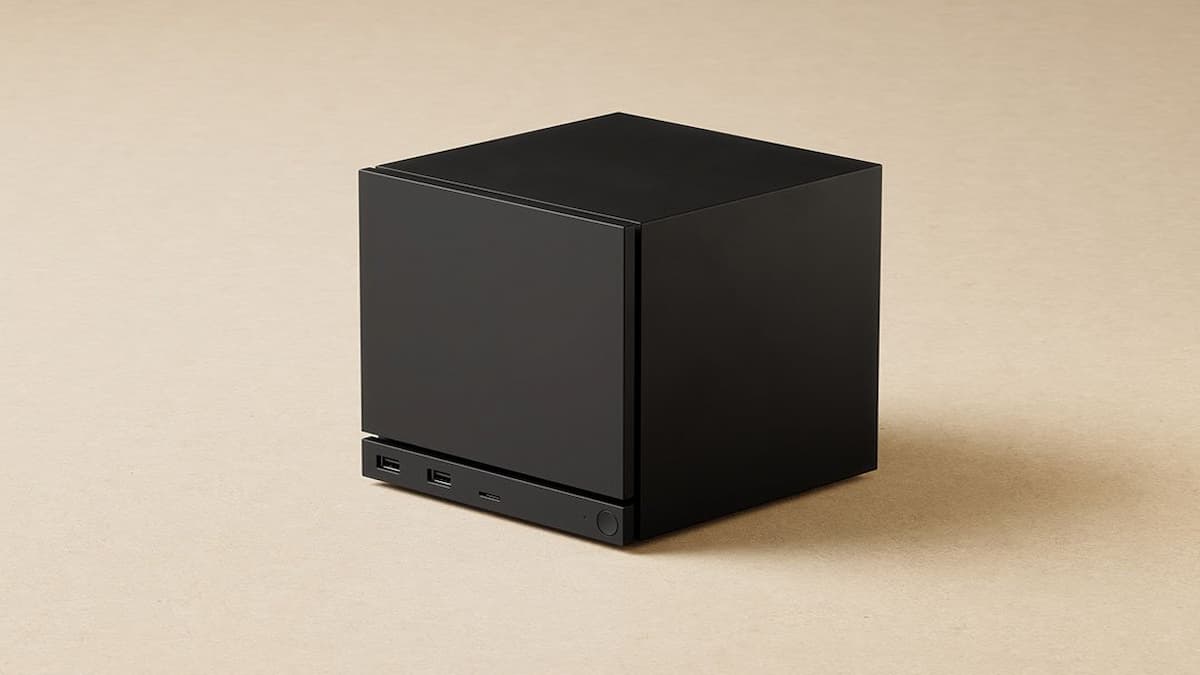
Scalpers have already begun reselling Steam Machines at inflated prices, exploiting limited availability of Valve's living room PC device. The markup appears severe enough to dwarf even Valve's already controversial retail pricing.
Valve's Steam Machine launched with a steep entry price that drew criticism from consumers balking at costs for what amounts to a PC gaming box for televisions. Early adopters struggled to justify the expense when building a comparable machine independently costs considerably less. That friction created hesitation in the market from day one.
Scalpers have seized the opportunity. Secondary market listings show Steam Machines commanding prices well above retail, sometimes approaching double the original asking price depending on configuration. This artificial scarcity play mirrors what occurred with PlayStation 5 and Xbox Series X during the chip shortage era, though the Steam Machine faces fundamentally different demand dynamics.
The irony cuts deep. Valve's aggressive pricing already priced out casual buyers and skeptics. Scalpers now price out nearly everyone else. The device targets a narrow segment: PC gamers wanting a streamlined living room experience without building their own hardware. That audience doesn't justify speculation markets. PlayStation 5 scalping happened because millions of people wanted one. Steam Machine scalping happens because the few units available immediately vanish into resale channels.
This pattern exposes a core problem with Valve's launch strategy. The company produced limited units, possibly by design to gauge actual demand before ramping production. That artificial constraint combined with the hardcore gaming audience's tendency to grab limited items immediately created exactly the conditions scalpers exploit.
Whether the Steam Machine succeeds depends on sustained availability at reasonable prices. Scalping prices destroy that pathway. Players burned by paying double retail become vocal detractors. Word spreads. Interest deflates further. Valve needs inventory flowing to legitimate retailers, not evaporating into secondary markets where markups exceed 50 percent.
The