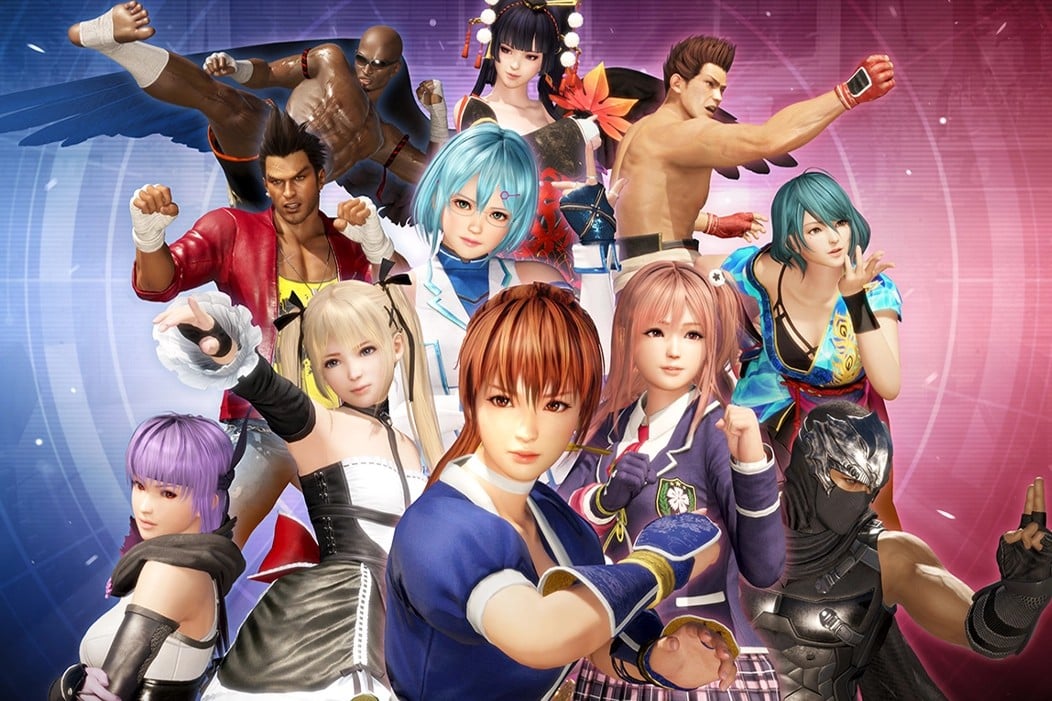
Koei Tecmo released Dead or Alive 6 Last Round with over 400 DLC items, creating a predatory monetization structure that forces existing players to repurchase cosmetics they already own.
The relaunch bundles all Dead or Alive 6 content into a single package, but players who owned the original game cannot transfer their purchased DLC. This means fighting game fans who invested in costumes, characters, and cosmetics must buy them again in Last Round. The DLC catalogue balloons to over 400 items, making the total potential spending astronomical for completionists.
Last Round launches across multiple platforms and represents Koei Tecmo's attempt to revitalize the franchise with consolidated content. However, the decision to lock previous purchases behind a new paywall has sparked immediate backlash from the community.
This strategy reflects broader industry frustration. Fighting games survive on cosmetic monetization, but Dead or Alive 6's approach crosses a line. Players view forced repurchasing as hostile to franchise loyalty. Street Fighter 6 and Tekken 8 allow cosmetic transfers or offer cleaner transitions between titles.
The sheer volume of 400 DLCs signals another issue. Content bloat creates decision paralysis and encourages spending rather than earning progression. Dead or Alive 6 already built a reputation for aggressive DLC pricing, with costumes running $5 to $8 individually. Last Round amplifies this model without goodwill gestures toward existing players.
Koei Tecmo faces a perception problem. Reissuing a game with the same monetization structure while forcing repurchases reads as extracting maximum revenue rather than offering value. The fighting game community remains passionate, but Last Round's launch demonstrates how monetization choices damage franchise health faster than gameplay improvements repair it.