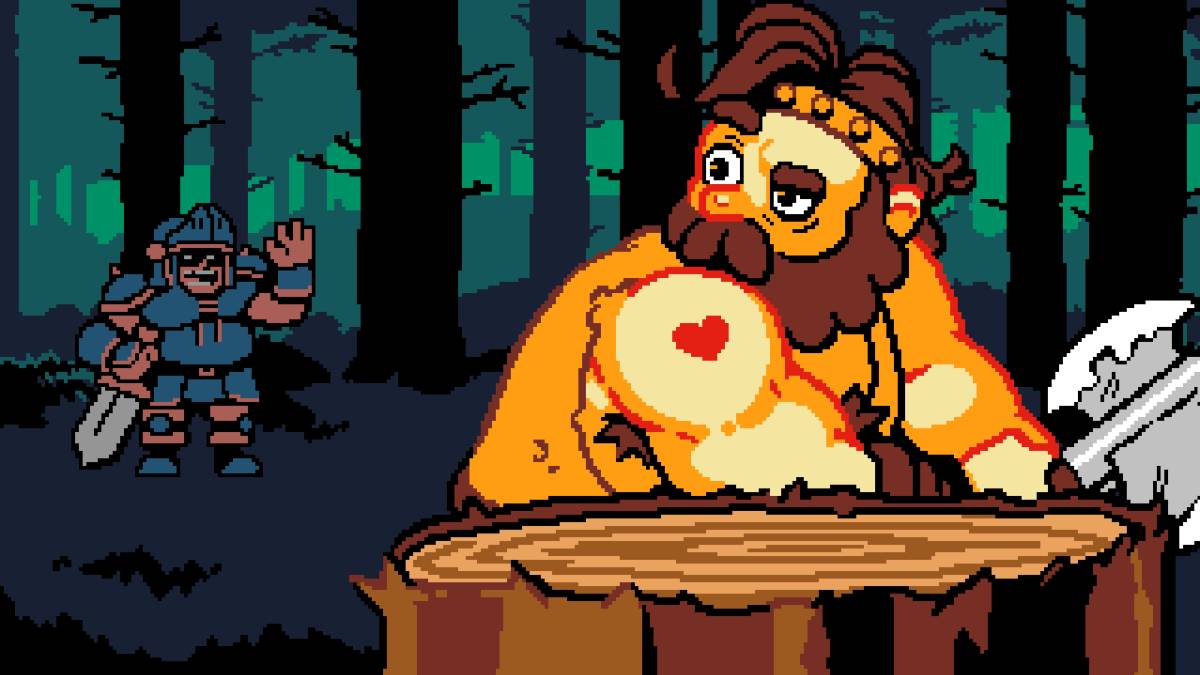
Dark Scrolls taps into something players thought they'd lost: the brutal satisfaction of mastering a classic side-scroller. The game channels the spirit of retro run-and-gun design while demanding the same precision and pattern memorization that defined arcade cabinets and early console era platformers.
What makes Dark Scrolls resonate stems from its unapologetic difficulty. Players face genuinely punishing boss encounters and enemy patterns that require dozens of attempts to conquer. Each victory feels earned rather than handed over by modern accessibility systems. That earned triumph connects directly to Cuphead's unexpected success in 2017, which proved millions of gamers still crave games that demand mastery before progression.
Cuphead's blend of brutal bosses, pixel-perfect platforming, and hand-drawn aesthetic created a template that the industry largely ignored. Since then, few titles have matched its combination of challenge design and artistic polish. Dark Scrolls appears positioned to fill that void by respecting player skill while maintaining visual charm.
The appetite for this genre remains undeniable. Games like Celeste and Hollow Knight demonstrated that difficulty-focused design sells when paired with fair mechanics and rewarding progression systems. Dark Scrolls follows that playbook, stripping away narrative handholding and throwing players directly into environments that punish hesitation and reward pattern recognition.
This resurgence matters for indie developers watching market trends. The success of challenging retro-inspired titles proves that players will seek out demanding experiences, even as AAA studios trend toward broader accessibility. Publishers have noticed the uptick in interest around skill-based gameplay, yet most remain cautious about green-lighting projects without mass-market appeal.
Dark Scrolls arrives when players actively hunger for that specific experience. The gaming landscape now has room for both accessible blockbusters and brutal indie challengers, each serving distinct audiences. As long as designers nail the