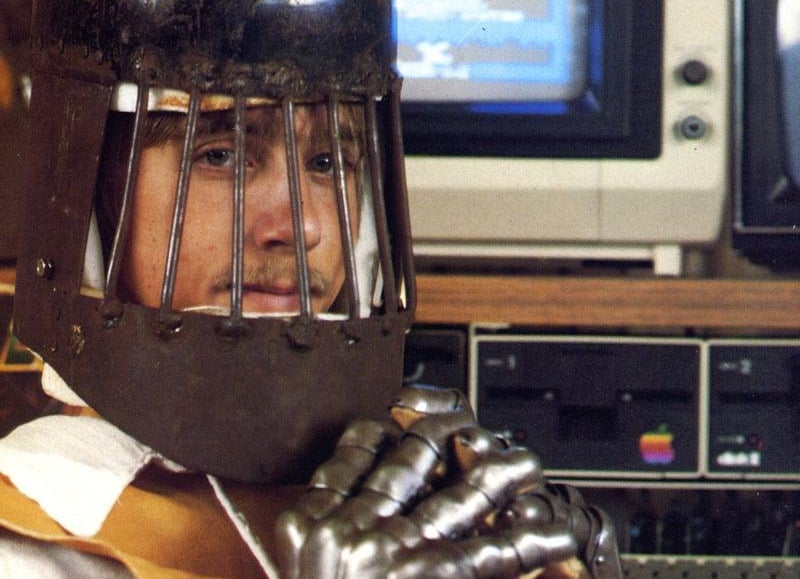
Richard Garriott, creator of the Ultima franchise, is pursuing legal action to reclaim the series from Electronic Arts using copyright reversion clauses embedded in decades-old contracts.
Garriott founded Origin Systems and created Ultima, one of gaming's most influential RPG series. EA acquired Origin in 1992, securing rights to the franchise. Now Garriott is leveraging obscure provisions in U.S. copyright law that allow creators to reclaim intellectual property after specific periods, even when they originally sold those rights.
The strategy hinges on the Copyright Term Extension Act and termination rights that permit authors to reclaim copyrights 35 to 40 years after initial publication. Garriott's legal team argues that the original Ultima contracts trigger these provisions, potentially allowing him to strip EA of ownership without compensation.
This move represents a broader trend in gaming. The industry has watched similar copyright reclamation efforts gain traction as older franchises enter windows where creators legally reclaim IP. Unlike direct litigation over breach of contract, Garriott's approach exploits technicalities in intellectual property law that studios rarely anticipated when signing deals in the 1980s and 1990s.
EA has not publicly commented on the legal challenge. The publisher has kept Ultima largely dormant for years, with Ultima Online remaining the sole active entry. No mainline Ultima game launched since 1994's Ultima 8, making the franchise increasingly irrelevant in modern gaming despite its historical significance.
Garriott's effort carries real stakes for the industry. If successful, it establishes precedent for other creators seeking similar reclamation of aging franchises held by major publishers. Studios like Activision, Ubisoft, and others controlling decades of acquired IP could face comparable claims from original creators.
The case highlights the disconnect between historic acquisition practices and modern copyright law