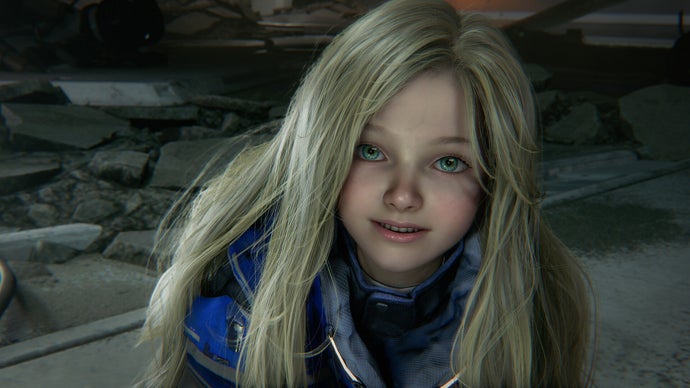
Capcom assembled an internal team of women to oversee the characterization of Diana in Pragmata, ensuring the young girl felt authentically childlike rather than falling into problematic tropes common to the "dad game" genre. The group, informally dubbed the "Diana Police," worked directly with the game's lead developers during production to validate dialogue, behavior, and interactions between Diana and protagonist Hugh.
The effort reflects growing awareness within the industry about how father-child relationships appear in games. Many titles in this emerging subgenre have drawn criticism for sentimentalizing or misrepresenting parent-child dynamics. Pragmata's approach diverges from that pattern. Players and critics largely responded positively to Hugh as a character, describing him as genuinely caring, and to his bond with Diana as emotionally earned rather than manipulative.
Capcom's strategy of embedding female perspectives into Diana's development proved effective. Rather than relying solely on male-led creative teams to interpret a child character, the studio created structural accountability. The "Diana Police" functioned as a safeguard, catching potential missteps before they reached players.
This decision carries broader implications for how AAA studios approach sensitive character work. It acknowledges that representation benefits from diverse creative input, particularly when depicting experiences outside a development team's primary demographic. The approach is neither revolutionary nor particularly complex. It simply means asking different voices to weigh in early and often.
Pragmata's development strategy suggests a modest but tangible shift in how major publishers handle character authenticity. Rather than hoping intentions translate to execution, Capcom built oversight directly into production. The method worked. The game's Diana doesn't feel like a plot device or a vehicle for adult catharsis. She registers as a character with her own presence, shaped partly by the women who helped ensure she would.