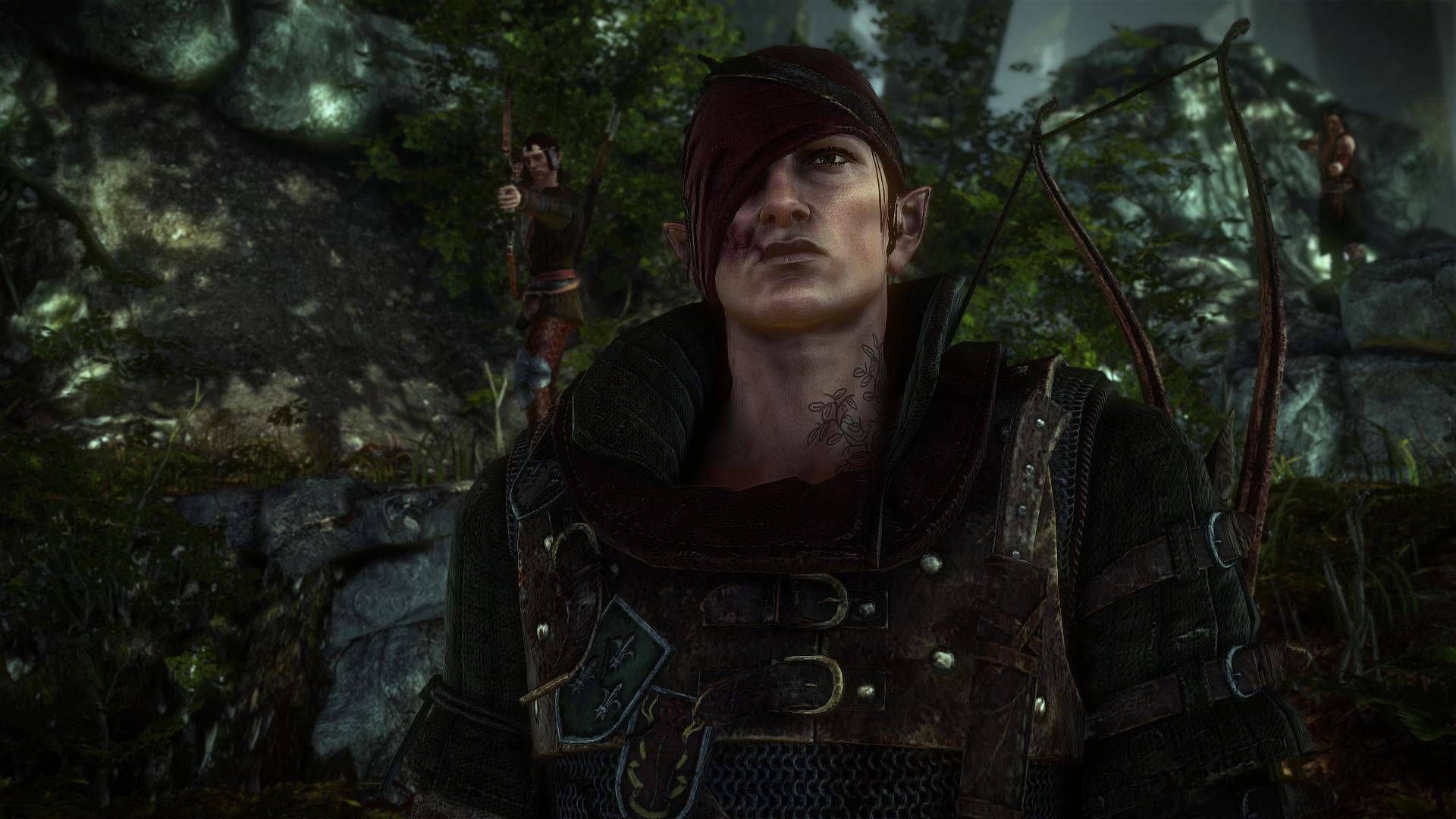
CD Projekt Red faces a structural choice as it develops The Witcher 4. The studio should study The Witcher 2: Assassins of Kings rather than mirror The Witcher 3: Wild Hunt's approach to player agency and narrative consequence.
The Witcher 3 delivered an exceptional story with Geralt of Rivia at its center, but its quest design often funneled players toward predetermined outcomes. Major decisions felt cosmetic. The game excelled at cinematic storytelling but struggled with genuine branching paths that reshaped the world based on player choice.
The Witcher 2 operated differently. That 2011 title featured a bold narrative structure where early decisions split the game into two distinct campaigns. Player actions didn't just change dialogue or minor plot threads. They fundamentally altered which characters appeared, which regions Geralt visited, and which factions held power by the endgame. The game respected the weight of choice by making it stick.
For The Witcher 4, this philosophy matters more than ever. The gaming landscape shifted since 2015. Players now expect their choices to carry real consequences. Games like Baldur's Gate 3 proved that branching narratives and consequential decision-making create deeper engagement and replaying incentive than linear storytelling ever could.
The Witcher 4 won't feature Geralt as the protagonist, which actually creates an opening. A new lead character could inhabit a world where faction allegiances, NPC relationships, and moral decisions genuinely reshape the narrative landscape. Not every quest needs multiple solutions, but the architecture should support them.
This doesn't mean abandoning The Witcher 3's strengths. The superb quest writing, compelling side stories, and character development should remain. The improvement lies in letting those elements interact with player choice in meaningful ways. When players finish The