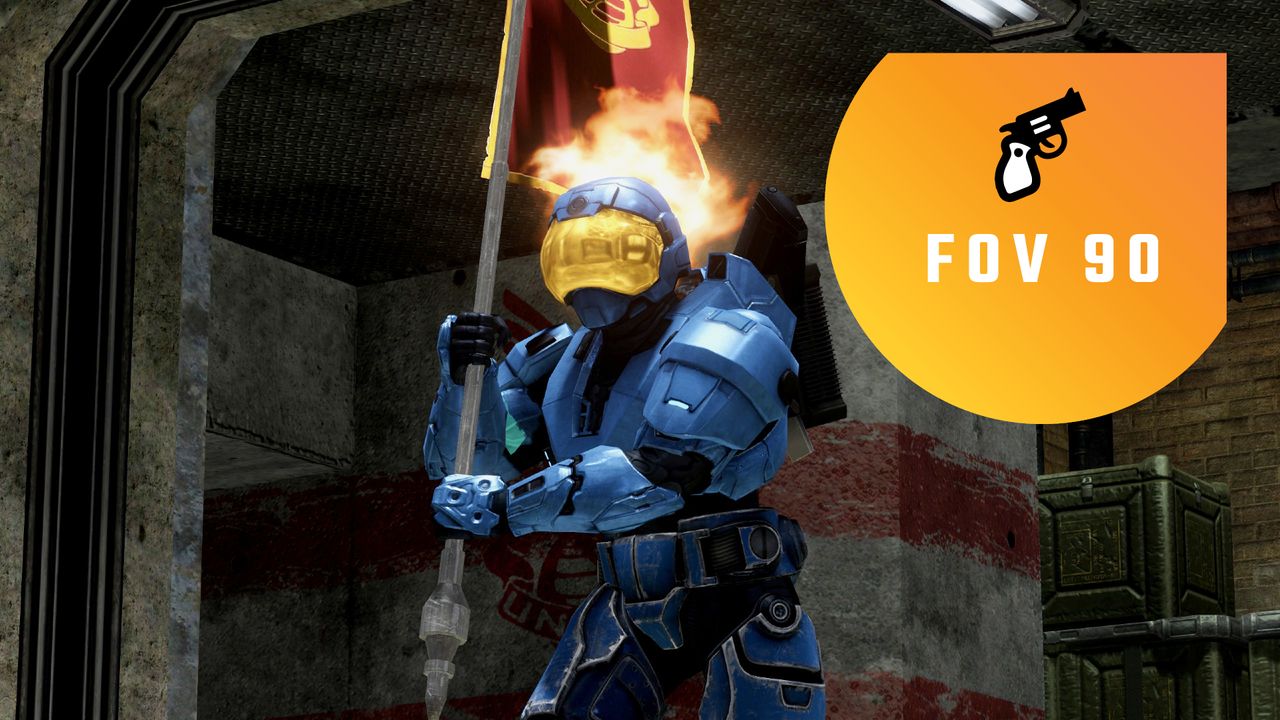
Capture the Flag stands as the most enduring competitive FPS mode ever designed, yet it faces existential threats from the industry's shift toward battle royale dominance and live service monetization models.
CTF's elegance lies in its simplicity. Two teams, two bases, one objective. The mode rewards teamwork, positioning, and tactical depth in ways that raw gunplay cannot match. It thrived in Quake 3, defined Counter-Strike's competitive scene alongside bomb defusal, and created legendary moments in Halo and Team Fortress 2. The mode demanded communication, sacrifice plays, and role specialization before those concepts became industry buzzwords.
Modern FPS design abandoned CTF wholesale. Call of Duty relegated it to secondary playlists. Valorant focuses entirely on spike plant mechanics. Overwatch 2 pivoted to payload escort. Even Counter-Strike 2 treats bomb defusal as the exclusive competitive format. Battle royales obliterated CTF's relevance entirely by offering individual progression and constant content rotation that monetizes cosmetics more effectively than traditional objective modes.
The economics changed. CTF requires balanced map design, clear victory conditions, and consistent ruleset enforcement. It generates no cosmetic urgency. A player winning a CTF round cannot be convinced they need a new character skin for the next match. Battle royales create artificial scarcity through the battle pass treadmill, seasonal cosmetics, and fear of missing out. Publishers cannot milk CTF the same way.
Technical barriers compound the problem. Modern matchmaking systems prioritize casual engagement and session length over competitive integrity. CTF thrives in longer, more deliberate matches where momentum shifts matter. Quick-time-to-kill gameplay and instant respawns replace the strategic depth CTF demands.
Smaller studios occasionally preserve the format. Splitgate maintained CTF as a core mode before its closure.