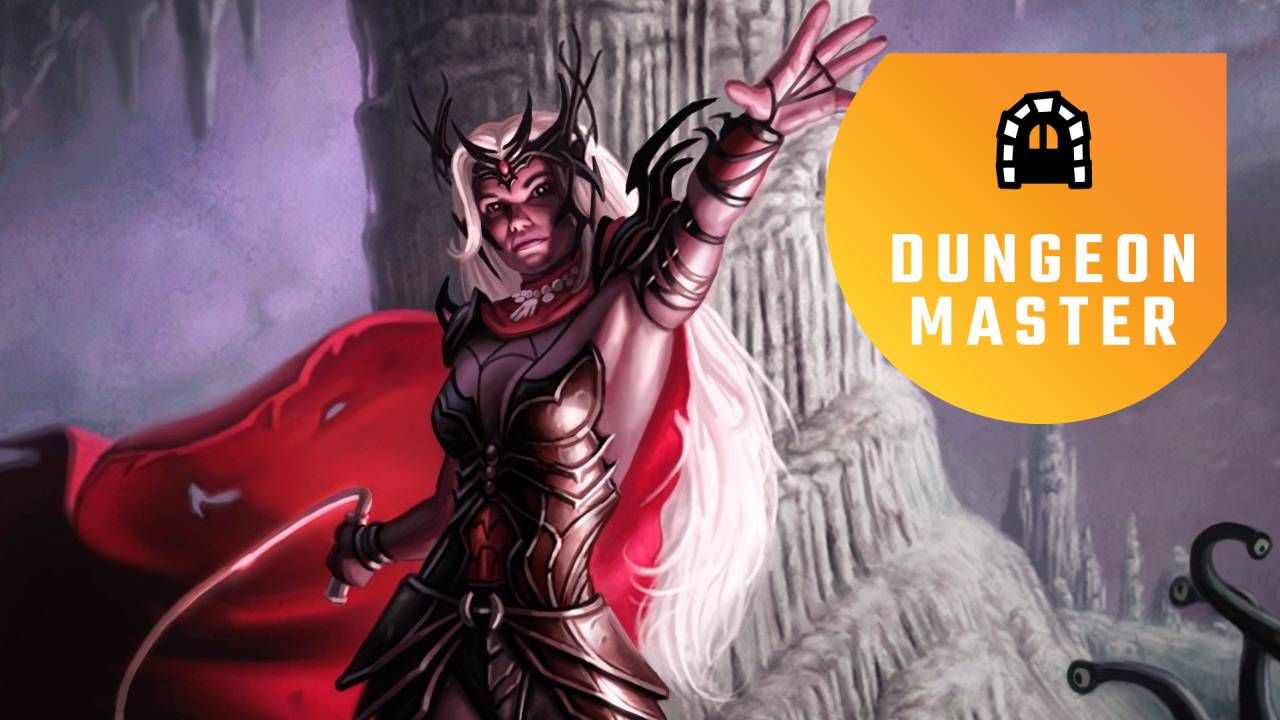
Swordflight occupies a peculiar corner of D&D gaming history. The community-driven Neverwinter Nights module series represents the work of a single developer who crafted an expansive personal campaign spanning years of development. What began as fan-made content evolved into something resembling outsider art within the tabletop RPG video game space.
The module leverages Neverwinter Nights' modding tools to deliver a Baldur's Gate-style experience that bypasses traditional publishing gatekeepers. This approach mirrors how dedicated creators have always extended RPG lifespans through custom content, but Swordflight achieved something rarer. The series accumulated a devoted following among players who valued the authentic, unpolished nature of its creation.
Neverwinter Nights, BioWare's 2002 engine, proved surprisingly durable as a platform for extended storytelling. While Baldur's Gate and Baldur's Gate II dominated the tactical D&D conversation, NWN's toolset enabled creators to push the software in unexpected directions. Swordflight benefited from this flexibility, constructing multi-chapter narratives that rivals commercial releases in scope.
The game's cult status stems partly from its opacity. Casual players never encounter Swordflight through Steam storefronts or mainstream coverage. Instead, it spreads through word-of-mouth among dedicated communities on forums and Discord servers. This gatekeeping effect transforms obscurity into cultural cachet. Players who discover it feel like they've uncovered something deliberately hidden from mass audiences.
Swordflight demonstrates what single-creator passion projects can achieve when platforms enable them. Unlike modern games developed by studios with QA teams and marketing budgets, this series exists on its own terms. The developer prioritized their vision over commercial appeal. That authenticity resonates with players exhausted by AA