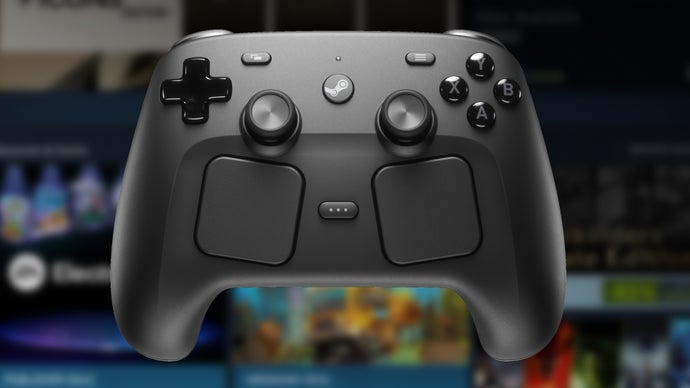
Valve's Steam Controller launched May 4th to unprecedented demand, forcing the company to revise delivery estimates upward. Some customers now won't receive their units until 2027, a stark shift from earlier promises. The controller, sold exclusively through Steam's direct storefront, created an immediate supply bottleneck that scalpers quickly exploited.
The shortage stems from Valve's inability to fulfill orders through traditional retail channels. By restricting sales to Steam only, the company concentrated all purchase traffic through a single platform with finite inventory. High demand collided with production capacity constraints, creating massive reservation backlogs within weeks of launch.
Customers who preordered early face two-year-plus waits. Valve publicly adjusted its estimated delivery windows, acknowledging it cannot meet original timelines. The company provided no concrete explanation for the production delays or timeline slippage, leaving buyers frustrated with minimal communication.
The Steam Controller's unexpected success reflects genuine player interest in Valve's hardware ecosystem. The device targets PC and Steam Deck users seeking an alternative input method. Yet the launch exposed serious fulfillment gaps in Valve's supply chain infrastructure. Unlike traditional hardware manufacturers with established distribution networks, Valve operates Steam as a software platform first. Scaling physical product manufacturing and logistics proved more challenging than the company anticipated.
Scalpers capitalized immediately, reselling controllers at inflated prices on secondary markets. This created a two-tier system where patient customers wait until 2027 while opportunists pay premiums for immediate access. Valve has not announced anti-scalping measures or provided additional inventory projections.
The situation raises questions about how Valve manages future hardware releases. The Steam Deck faced similar supply constraints at launch, though Valve eventually stabilized production. History suggests the controller shortage will eventually resolve, but not quickly. For now, demand dramatically outpaces supply, and the company's direct-sales model amplifies