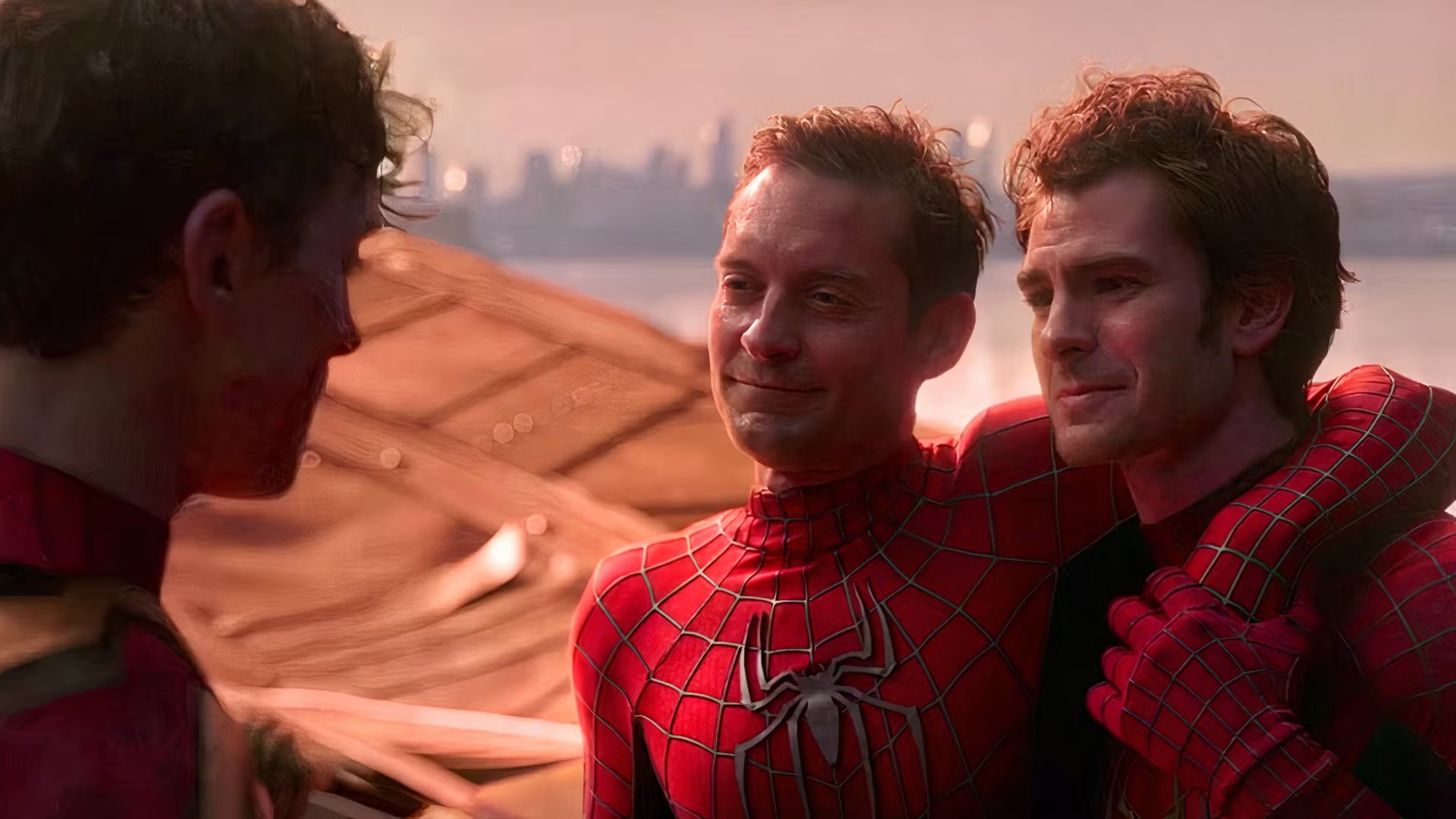
Sam Raimi's Spider-Man 2 (2004) remains the gold standard that modern Spider-Man projects struggle to match. The film, starring Tobey Maguire as Peter Parker, set an extraordinarily high bar for superhero cinema with its blend of character development, action sequences, and emotional weight. Its influence on the genre persists two decades later.
Spider-Man: Brand New Day enters a crowded landscape. The MCU's Tom Holland films have dominated box office receipts and cultural conversation since 2016. Sony's recent Spider-Verse output, including the critically acclaimed animated films and Venom sequels, has carved out distinct niches. Yet none have replicated what Raimi accomplished with Spider-Man 2.
Raimi's film excels at balancing intimacy with spectacle. Peter Parker's internal struggles feel genuine, not sidelined by CGI setpieces. Doc Ock, played by Alfred Molina, functions as both villain and tragic figure. The screenplay grants characters room to breathe between action moments. When the train sequence arrives, the emotional investment justifies the scale.
Brand New Day faces structural disadvantages. Modern superhero films operate within franchise ecosystems that demand interconnectedness and setup for sequels. Raimi had freedom to tell a contained story. Additionally, the broader Marvel Cinematic Universe has conditioned audiences toward quippy, fast-paced narratives. Spider-Man 2's deliberate pacing might read as slow to contemporary viewers accustomed to MCU rhythms.
This doesn't diminish Brand New Day's potential. Fresh creative voices and advances in visual effects technology enable possibilities unavailable in 2004. The project could carve its own legacy rather than chase Raimi's template. But Polygon's assessment reflects genuine difficulty. Spider-Man 2 achieved something rare in superh