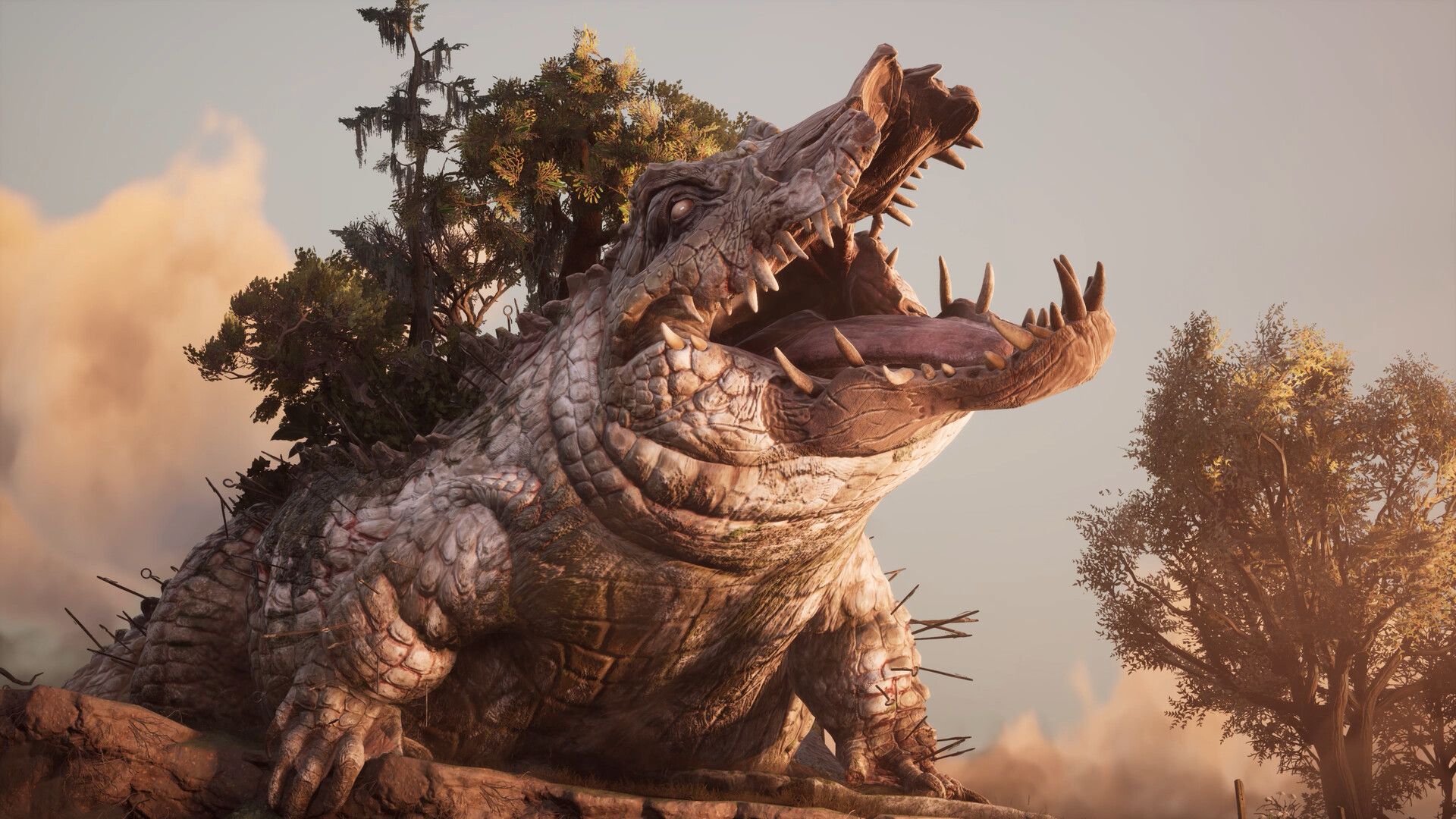
South of Midnight landed on Xbox Game Pass as a critical darling, earning praise for its visual style and narrative depth. Yet despite the game's strong reception, developer Compulsion Games faces potential closure by parent company Microsoft.
The studio's predicament reflects a harsh reality in modern game publishing. Critical acclaim and Game Pass inclusion do not guarantee commercial success or studio survival. South of Midnight delivered exactly what players and critics wanted, but the mathematics of digital distribution and subscription services tell a different story internally.
Microsoft owns Compulsion Games outright. The company acquired the Montreal-based studio in 2018 after it shipped Contrast and We Happy Few. South of Midnight represented a full recovery for the studio, a polished, visually distinctive adventure that showcased genuine creative progress. Reviews celebrated the game's hand-painted aesthetic and dark Southern Gothic atmosphere. Yet Game Pass day-one placement, while boosting visibility, eliminates the immediate revenue spike from retail sales that traditionally justifies development costs.
The situation exposes the Game Pass model's blind spot. Subscription inclusion measures success differently than traditional sales. A game can be excellent, critically validated, and still lose internal funding battles when played by millions who paid a flat monthly fee rather than individual purchases. Microsoft's calculus weighs different metrics than sales numbers alone, considering player engagement, retention, and brand value. Those metrics apparently did not satisfy corporate expectations.
Compulsion Games developed South of Midnight with roughly 150 staff members. A studio shutdown would result in layoffs affecting the entire team. This carries particular weight given recent industry consolidation and mass layoffs across major publishers, which saw thousands of developers lose jobs in 2023 and 2024.
The irony cuts deep. South of Midnight is precisely the kind of mid-budget, artistically ambitious game the industry claims to champion. It is not a live-service title, not a sequel,