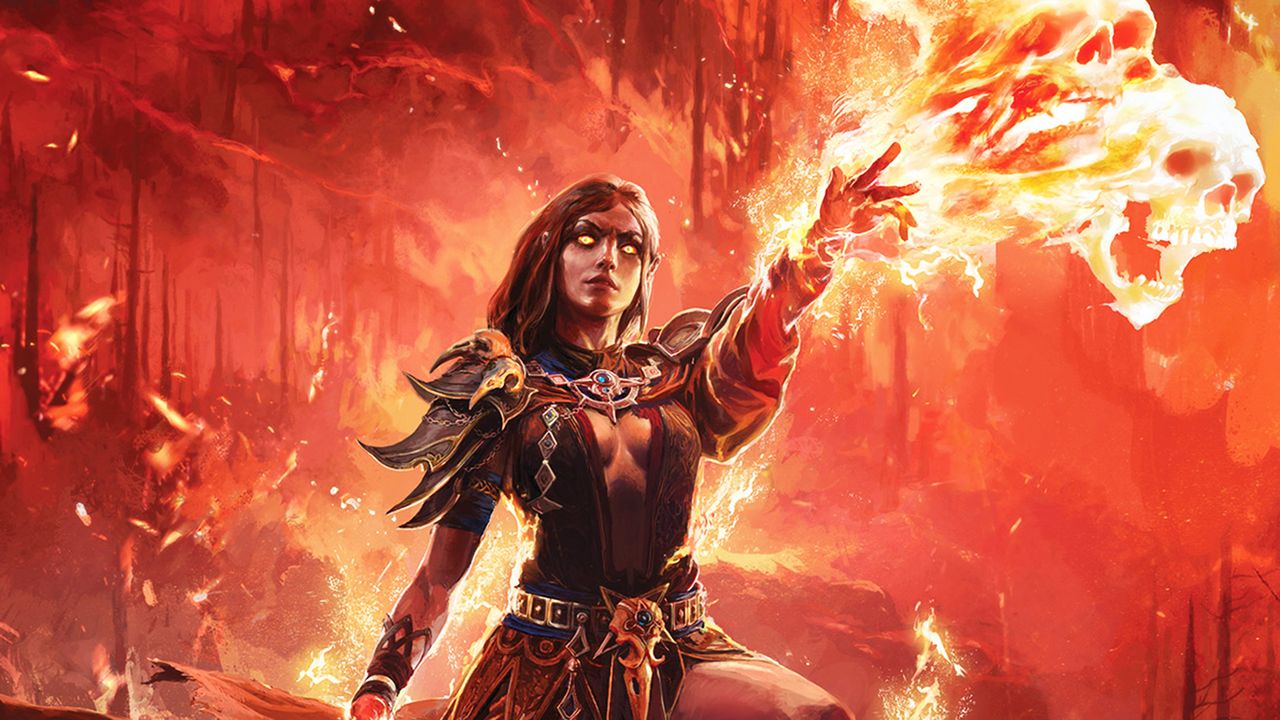
Path of Exile 2 from Grinding Gear Games proves action RPGs don't need mandatory 100-hour grinds to deliver satisfying loot hunts. The sequel redesigns how players chase gear after finishing the campaign, embedding mystery and discovery throughout the endgame rather than locking progression behind repetitive farming.
The core shift centers on how Grinding Gear Games structures post-campaign content. Instead of forcing players into predictable grind cycles, Path of Exile 2 scatters compelling mysteries across its world. These mysteries reward exploration and experimentation, pulling players forward through genuine curiosity rather than obligation. The endgame systems encourage multiple viable paths to power, letting players choose their own grind rather than following a single optimal route.
This approach directly challenges how the original Path of Exile handled progression. The first game's endgame became notorious for requiring hundreds of hours in specific maps or activities to reach viable power levels. Path of Exile 2 strips away that gatekeeping. Loot still matters. The hunt still drives engagement. But the barrier to entry has dropped substantially.
Grinding Gear Games clearly learned from watching players bail on Path of Exile 1's endgame after hitting the wall. By front-loading meaningful progression and spreading rewards across varied activities, the sequel keeps momentum flowing. Players find themselves naturally advancing without checking spreadsheets or following community-approved farm routes.
The loot hunt itself remains the heart of the action RPG experience. Path of Exile 2 doesn't eliminate grind. It removes the artificial padding that made it feel like homework. Drops feel earned. Build experimentation happens faster. Alt characters become viable without resetting the entire progression clock.
This redesign matters beyond Path of Exile's dedicated community. Action RPGs across the industry typically copy the franchise's systems. When Grinding Gear Games demonstrates that engaging