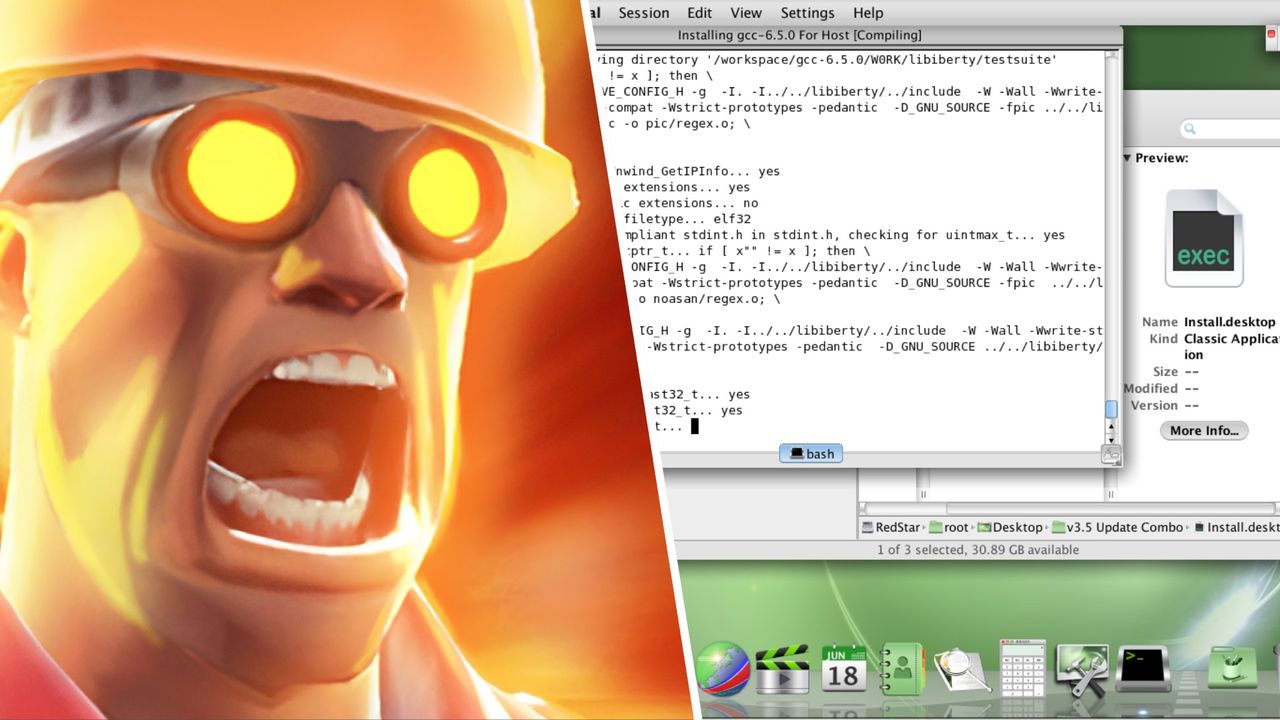
A PC Gamer journalist spent a full day testing RedStar OS, North Korea's homegrown operating system, and came away unimpressed by its potential as a Windows alternative.
RedStar OS represents Pyongyang's effort to create a fully domesticated computing platform independent of foreign software. The system features a Linux-based architecture with a customized desktop environment designed to mirror Windows functionality while maintaining strict government control over user access and capabilities.
The experience revealed significant limitations. The OS suffers from outdated software libraries, minimal third-party application support, and performance issues that make basic computing tasks sluggish compared to Windows or macOS. The user interface attempts familiarity through Windows-like aesthetics, but the underlying system lacks the optimization and polish expected in modern operating systems. Available applications remain sparse and largely propaganda-focused, with limited utility for general productivity or entertainment purposes.
RedStar's development reflects North Korea's broader digital isolation strategy. The regime restricts internet access and enforces strict control over permitted software and content. This environment produces an operating system fundamentally designed for surveillance and information management rather than user experience or competitive functionality.
The journalist's verdict: RedStar OS occupies a narrow, controlled ecosystem serving government purposes rather than consumer needs. It cannot challenge Windows, macOS, or even mainstream Linux distributions in any meaningful market segment. The OS exists primarily as a tool of state control, not technological innovation.
RedStar's limitations highlight broader truths about operating system development. Successful platforms require massive development resources, third-party developer ecosystems, and genuine user demands. North Korea's isolated position prevents RedStar from attracting external talent or building the collaborative communities that drive modern software innovation. The system remains a curiosity of authoritarian computing rather than a viable competitor in global markets.