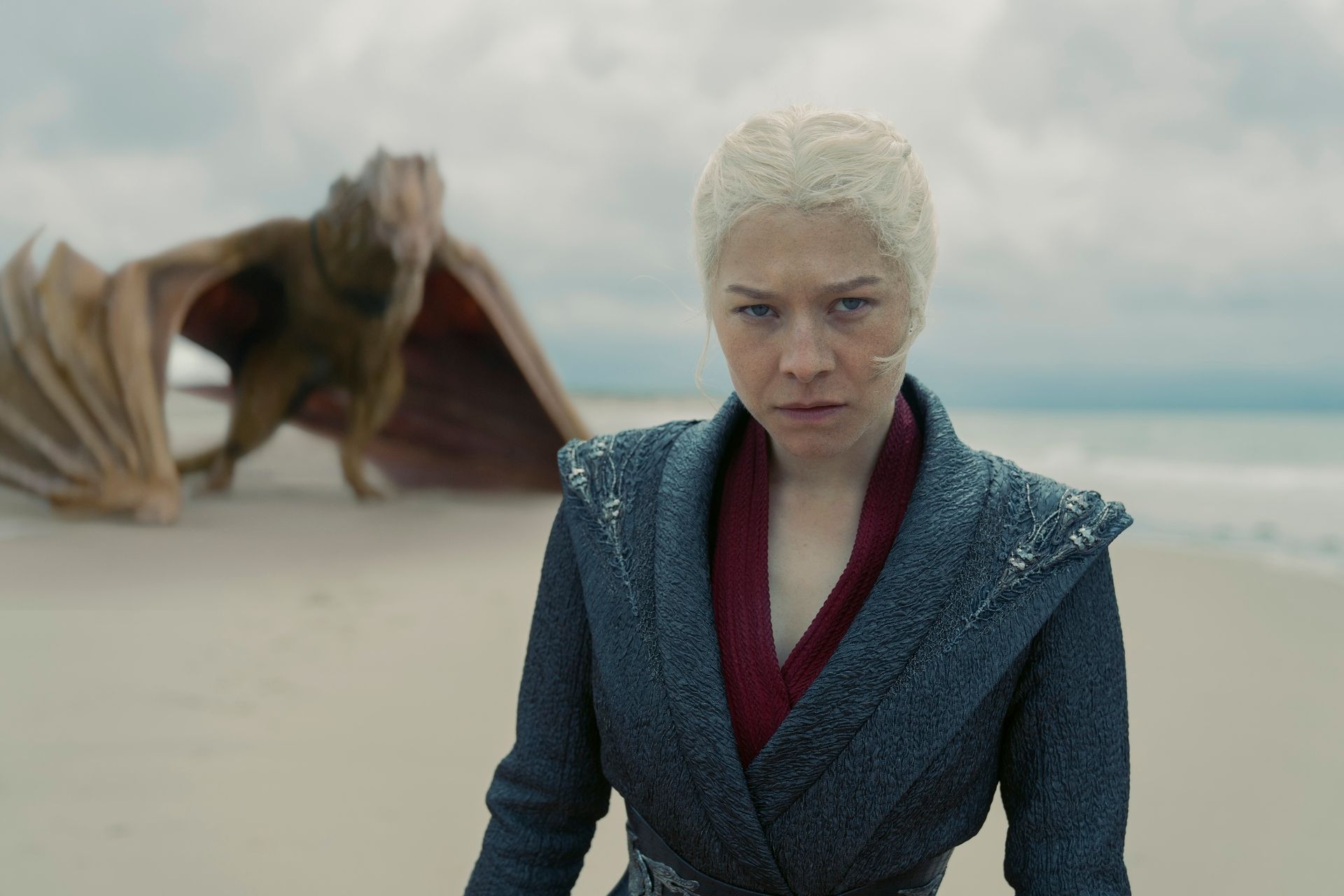
House of the Dragon season 3 episode 1 adapted the Battle of the Gullet, a pivotal naval confrontation from George R.R. Martin's Fire and Blood source material. The show's portrayal diverges from the book in meaningful ways, offering visual clarity to an event the novel treats as historical record filtered through unreliable accounts.
In the episode, a major character death occurs during the battle sequence. The show makes this death explicit and dramatic, where Fire and Blood leaves room for interpretation. The source novel's account of the Gullet battle lacks the definitive details the series provides, allowing showrunner Ryan Condal and his team creative latitude to stage the conflict for maximum impact.
The episode's version of events streamlines the chaotic, contradictory descriptions from Martin's world-building tome. Fire and Blood presents multiple conflicting reports from various historical chronicles within the Game of Thrones universe, intentionally murky about what actually transpired. House of the Dragon's writers chose to commit to a specific narrative, making definitive choices about who lived, who died, and how the battle unfolded.
This approach reflects how House of the Dragon has consistently adapted Fire and Blood. Rather than remain beholden to the source material's ambiguities, the series makes concrete storytelling decisions. The show reorders events, adds new scenes, and clarifies motivations in ways the book deliberately obscures.
For viewers, this means House of the Dragon provides clearer dramatic payoff. The battle scene delivers visual spectacle and emotional stakes that Fire and Blood's academic-style narrative structure cannot match. The death that occurs becomes a turning point with immediate, visceral consequence rather than a historical footnote readers must interpret themselves.
This balance between honoring source material and adapting it for television drama continues to define House of the Dragon's approach to Martin's Targaryen history. The show resp