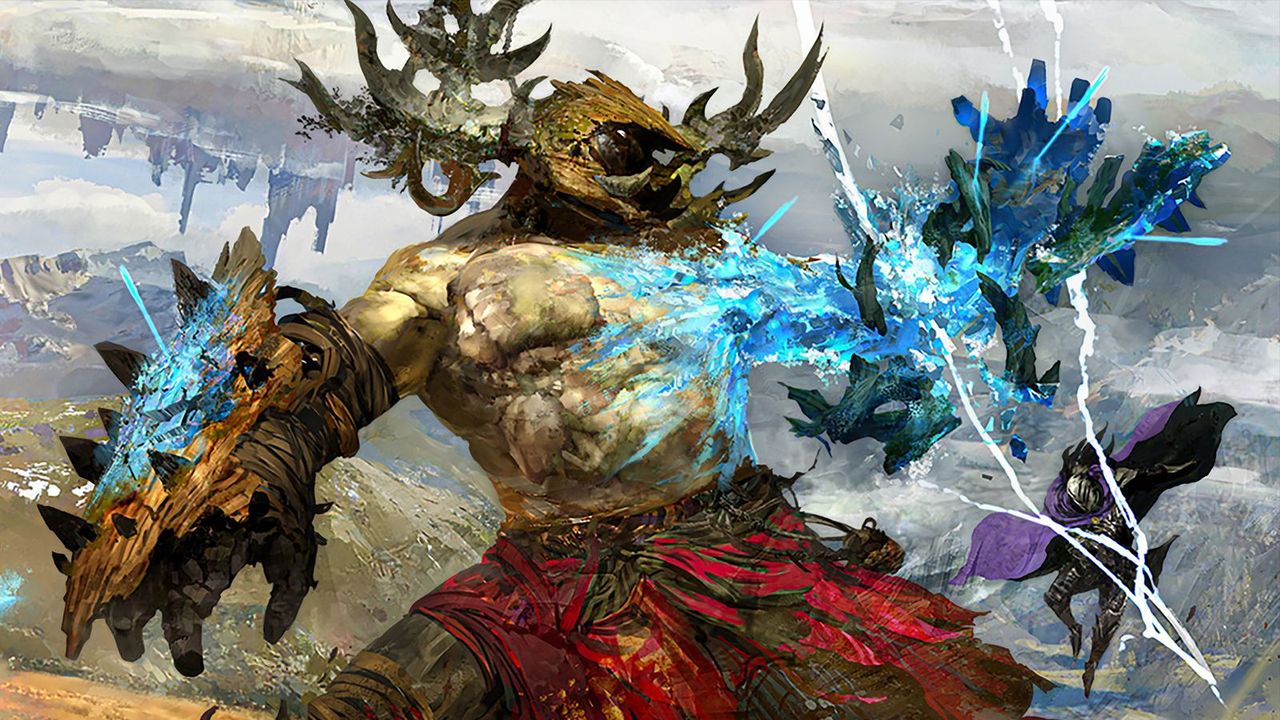
ArenaNet confirms Guild Wars 3 will operate as a full MMO, but the studio plans to differentiate it from both Guild Wars and Guild Wars 2. The developer positions the new entry as its own distinct experience rather than a direct successor to either predecessor.
Guild Wars 3 marks a shift toward a more traditional MMO design philosophy compared to Guild Wars 2's open-world focus and dynamic event systems. ArenaNet's statement that all three games can coexist as different experiences suggests the studio wants GW3 to carve out its own identity in the crowded MMO space rather than cannibalizing its existing player bases.
The first Guild Wars operated as an instance-based game with heavy PvP emphasis and a strong narrative campaign. Guild Wars 2 broke that mold entirely, launching as a live service MMO with no subscription fee, emphasis on exploration, and world-shaping meta events. Guild Wars 3's commitment to being "significantly more" of an MMO hints at a return to some traditional MMORPG foundations, though ArenaNet hasn't detailed specific mechanics yet.
This positioning comes at a strategic moment. Guild Wars 2 still maintains an active playerbase nearly 13 years after launch, and the studio continues supporting it with expansions. Rather than repositioning GW3 as GW2's replacement, ArenaNet appears confident it can maintain both titles while attracting different audience segments.
The statement reflects lessons learned from industry contention around live service updates and player retention. By explicitly saying the games won't overlap, ArenaNet signals that Guild Wars 3 won't cannibalize the current community. Players invested in GW2 won't face pressure to migrate, and newcomers exploring GW3 won't inherit an aging game with nine years of legacy content to digest.
Details on GW3's specific mechanics,