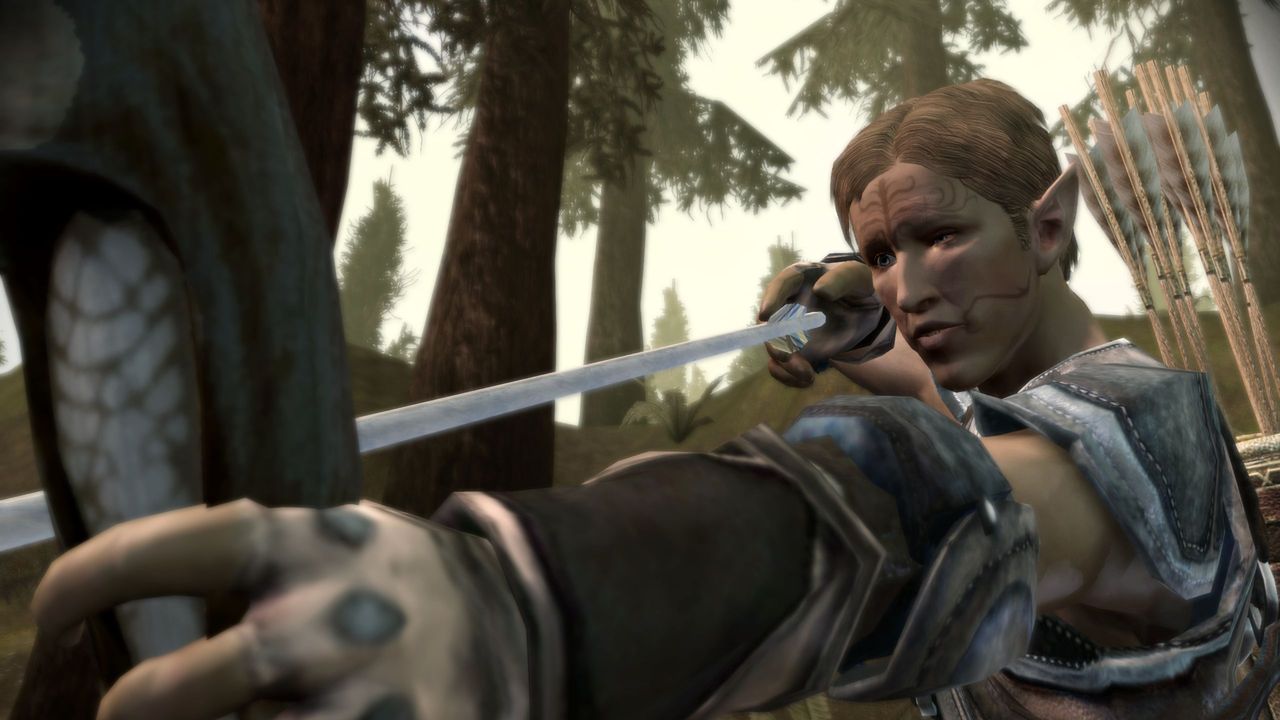
A former Dragon Age writer has raised alarm bells about AI's impact on game development's entry-level workforce. The concern centers on whether automating mundane tasks will eliminate the apprenticeship opportunities junior developers need to break into the industry.
The writer argues that supposedly tedious work—dialogue polish, narrative scaffolding, repetitive content creation—actually serves as training ground for emerging talent. Strip those assignments away with AI, and you remove the pathway newer developers use to learn craft fundamentals while contributing to shipped projects. This creates a gatekeeping problem where only established professionals with portfolio weight can land remaining positions.
Game development already operates on notoriously brutal economics. Junior writers, designers, and artists typically grind through entry-level positions that pay poorly but build experience fast. AI adoption threatens to compress these roles before they fully exist for the current generation of hopefuls. Studios get cost savings by automating junior-tier tasks. Entry-level workers lose the foothold they need.
The industry has precedent for this concern. Motion capture technology displaced traditional animation roles decades ago. Digital asset pipelines eliminated specific illustration jobs. Each wave of automation promised to free humans for "higher-level" work. Reality proved messier. Some roles vanished entirely. Others consolidated under fewer people with higher skill ceilings.
AI backers counter that automation always creates new opportunities and that tedious work belongs in the past. The counterargument holds water from a worker-comfort angle. But the transition period matters enormously. If AI reduces entry-level positions before mid-tier roles expand to absorb newly trained talent, you get a generation locked out of game development entirely.
The question isn't whether AI can handle routine narrative work—it clearly can. The question is whether the industry should deploy it this way, knowing the human cost. Dragon Age and similar franchises built their depth partly through junior talent aging into senior roles. That pipeline breaking down