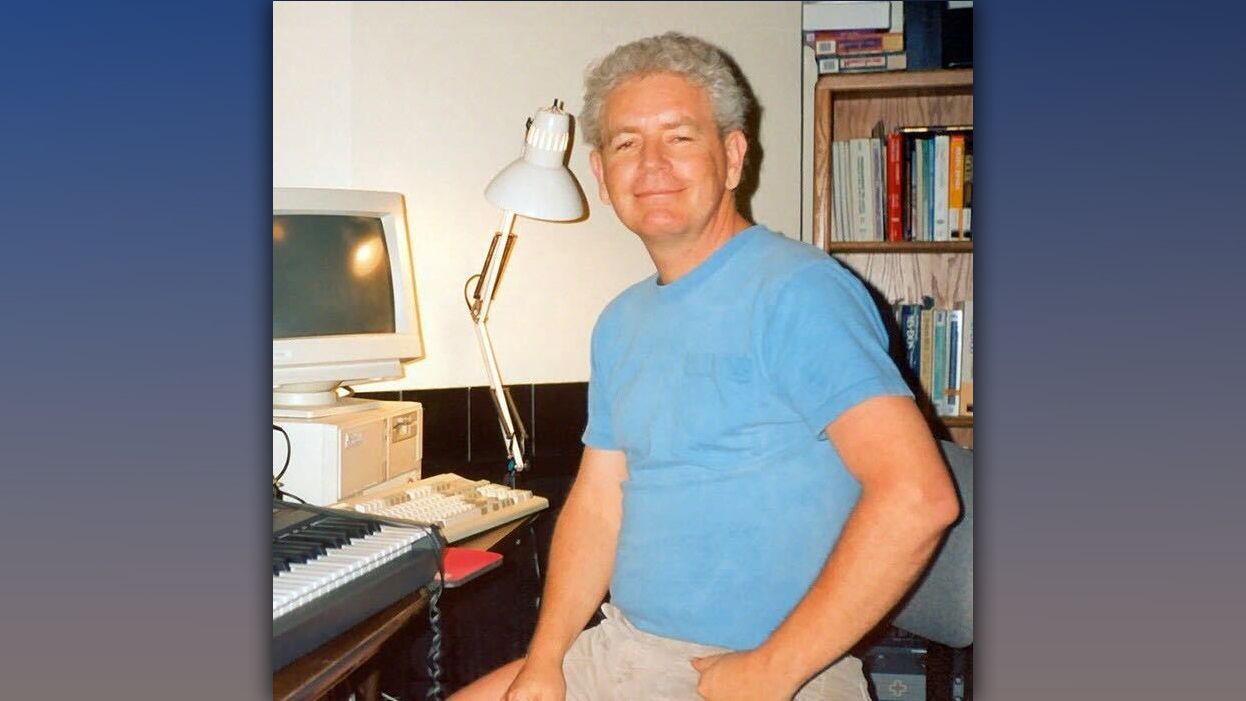
Bobby Prince, the composer who shaped the sonic identity of early first-person shooters, has died. Prince's work on id Software's Doom and Wolfenstein 3D established the template for FPS audio design that developers still reference today.
Prince scored some of gaming's most recognizable tracks. The Doom soundtrack hits hard with heavy industrial synth and pulsing metal influences that matched the game's visceral gunplay. Wolfenstein 3D's music delivered period-appropriate Nazi aesthetics through chiptune arrangements that somehow made stealth gameplay feel tense. He also composed for Catacomb 3-D, the proto-FPS that helped establish id Software's formula before Wolfenstein revolutionized the genre in 1992.
His influence extended beyond those landmark titles. Prince understood how music could escalate tension during combat, cue enemy encounters, and sustain player engagement across multi-hour sessions. Doom's soundtrack became inseparable from the game itself. Players didn't just shoot demons—they did it to Prince's thunderous arrangements. That integration of music and action became standard practice for FPS design.
The early-90s PC gaming landscape lacked the orchestral resources that console developers could command. Prince worked within technical constraints, using MIDI and synthesizer limitations as creative tools rather than obstacles. Those constraints forced innovation. Every note mattered. Every sequence needed purpose.
Prince's work predated the era when major studios contracted film composers for triple-A soundtracks. He proved that video game composers deserved equal creative footing with their film counterparts. His legacy lives in every modern FPS that uses music to heighten immersion and drive pacing.
Id Software's subsequent projects benefited from Prince's foundation. The Quake series, though handled by different composers, operated within the sonic universe Prince established. His fingerprints remain on the FPS genre even