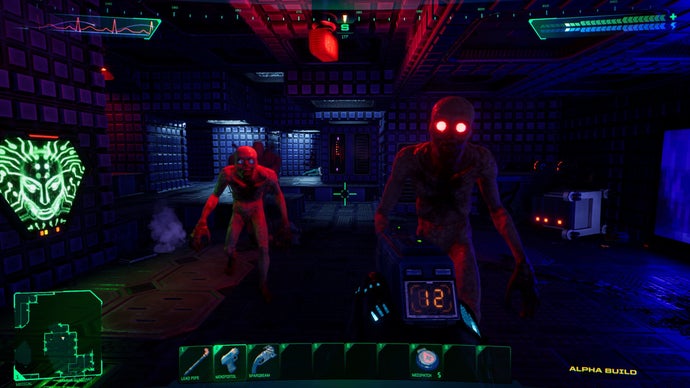
Nightdive Studios took unconventional steps to complete the System Shock remake, according to co-director commentary. The studio formed an internal secret group to push the project forward after nearly eight years of development and repeated delays.
The remake's troubled journey included unusual obstacles. The FBI was called on Nightdive during development, adding complexity to an already difficult production. Despite these hurdles, the team persisted through what appears to have been internal challenges within the studio itself.
The decision to create a separate group within Nightdive reflects the desperation the developers felt to ship the game. Rather than work through standard studio channels, which apparently weren't moving fast enough, key team members collaborated outside normal production structures. This unconventional approach speaks to the passion the team held for reviving the 1994 system-shock franchise, one of the most influential immersive sim games ever made.
System Shock's remake targets PC platforms and represents Nightdive's most ambitious project. The studio specializes in reviving classic titles, but this project stretched their capabilities and resolve. Getting the FBI involved suggests either external pressure or misunderstandings that derailed momentum at critical moments.
The final release vindicates the internal effort. Nightdive managed to preserve the original's core design, featuring player freedom, environmental storytelling, and hacking mechanics, while modernizing visuals and controls for contemporary audiences. The game arrives as a relatively faithful adaptation of the 1994 original, which remains essential reading for anyone studying immersive sim design.
This story underscores how difficult legacy projects can become in modern development. Licensing, technical debt, and organizational bureaucracy can strangle projects from within. Nightdive's willingness to work around these obstacles through internal reorganization highlights what sometimes happens when passion outweighs process.