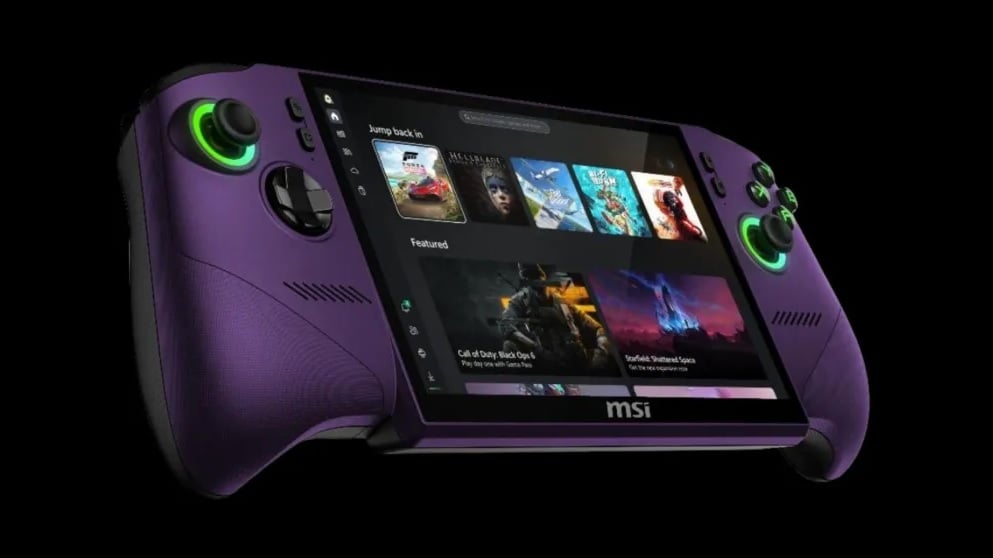
MSI priced its new Claw PC gaming handheld at $1,800, a staggering entry point that underscores the company's confidence in premium portable gaming. The device positions itself as a high-end alternative to the Steam Deck and ROG Ally, targeting enthusiasts willing to pay for cutting-edge specs and performance.
The pricing signals MSI's bet that a segment of gamers will accept luxury handheld pricing. At nearly double the cost of competing devices, the Claw demands exceptional hardware to justify the premium. MSI has equipped the device with top-tier internals, but the $1,800 ask remains aggressive in a market where the Ally launched at $649 and the Steam Deck starts at $549.
More concerning than the price itself is MSI's accompanying commentary. Company executives acknowledged gamers face a "tough year" ahead, suggesting awareness of economic headwinds and rising hardware costs across the industry. This admission from a major manufacturer carries weight. Gaming hardware typically thrives during periods of consumer spending confidence. When execs signal hardship, it reflects genuine concerns about market conditions and consumer purchasing power.
The timing compounds the problem. The handheld gaming market remains fragmented and uncertain. The Ally has struggled with software stability issues. Competition from traditional gaming laptops and upcoming handheld revisions creates a crowded space. Launching a $1,800 device while acknowledging difficult conditions reads as optimistic at best, tone-deaf at worst.
MSI's Claw strategy reveals how premium gaming hardware makers respond to uncertain markets. Rather than compete on price with established players, MSI chose to carve out a luxury niche. The bet assumes wealthy enthusiasts will pay substantially more for marginal performance gains and brand prestige.
Whether gamers accept this price point depends entirely on the Claw's performance benchmarks and software