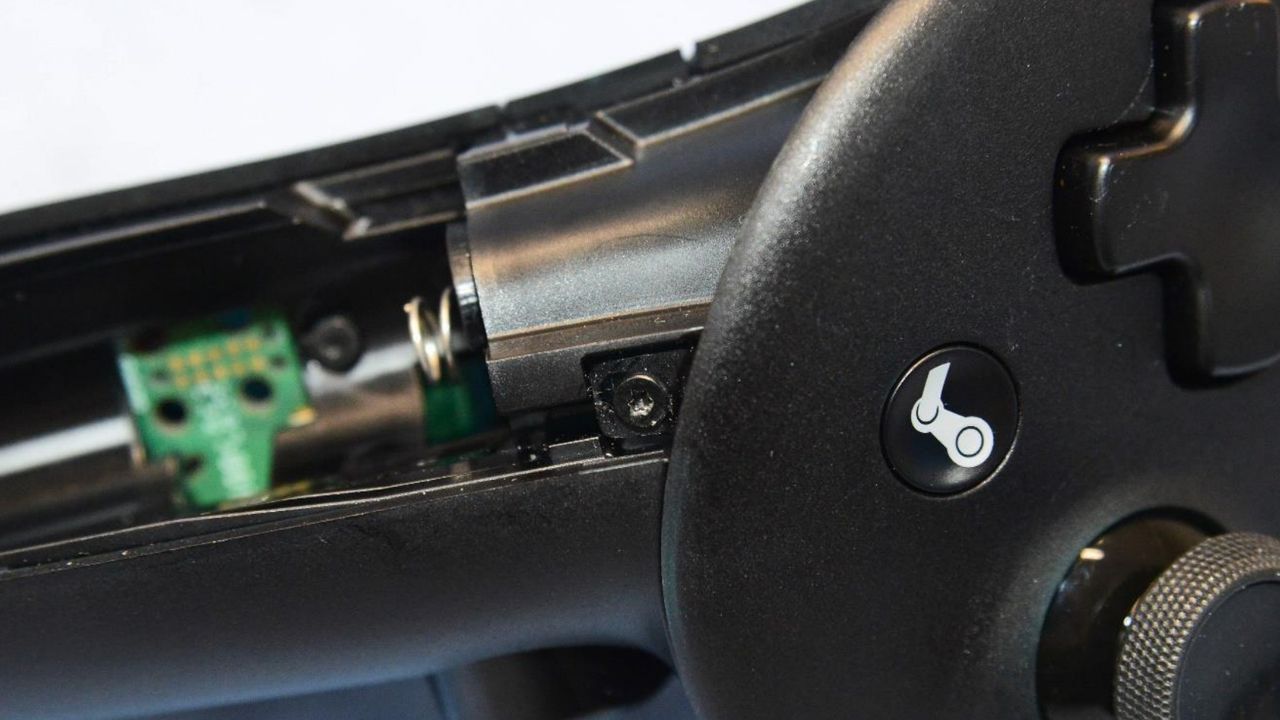
Valve's Steam Frame controller teardown images reveal a design philosophy centered on user repairability. The internal components show modular construction that prioritizes easy access to key parts, following the precedent set by the original Steam Controller.
The teardown demonstrates that Valve engineered the Frame with replaceable stick modules, swappable buttons, and accessible battery components. This approach directly addresses one of gaming's persistent hardware frustrations. Controller drift, worn buttons, and battery degradation typically force players to purchase entirely new units. The Frame's architecture lets players swap problem parts instead.
Valve built serious repairability into the original Steam Controller, which launched in 2015. That device earned respect from repair advocates for its straightforward disassembly and readily available replacement components. The Frame appears to continue this commitment, suggesting Valve sees durability and user control as competitive advantages against DualSense, Xbox Series X controllers, and competing PC input devices.
The modular design carries practical benefits beyond longevity. Players can customize their setup by swapping button types or stick sensors without buying a new controller. Enthusiasts gain freedom to experiment with different input configurations. This flexibility appeals to competitive gamers fine-tuning performance and casual players seeking comfort adjustments.
Right-to-repair advocates will appreciate Valve's stance. Major hardware manufacturers increasingly restrict teardowns and limit component availability, forcing expensive replacements. Valve's transparent approach and documented repairability set a different standard in an industry where planned obsolescence often maximizes revenue.
The Frame's repairability doesn't guarantee success. Players need replacement parts readily available at reasonable prices, and Valve must support the product long-term with spare components. The original Steam Controller experienced inconsistent parts availability over time.
Still, the teardown images signal Valve's commitment to building products that last. As right-to-repair momentum builds across consumer electronics, this design philosophy positions