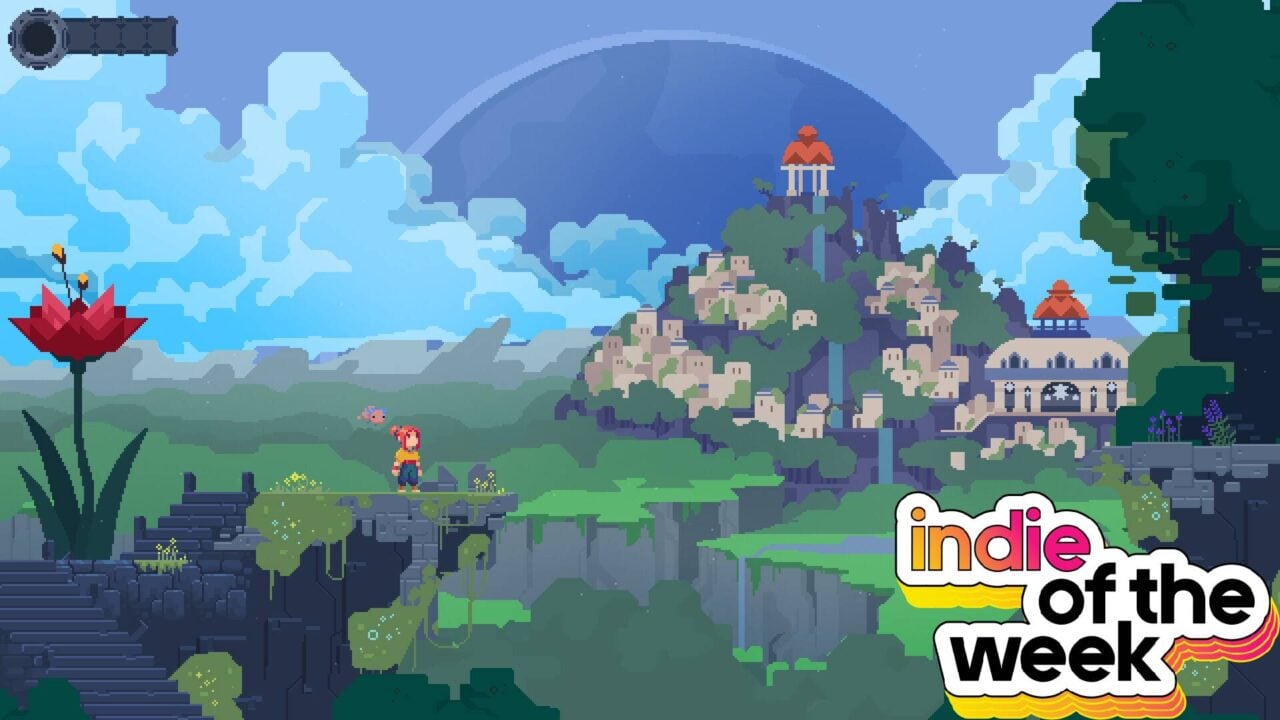
Tethergeist has arrived as a standout platformer that scratches the same itch as Celeste for players seeking challenging, precision-based level design. The game combines tight controls with creative mechanics that set it apart from other indie platformers flooding the market.
The title centers on a core gimmick: tethering. Players manipulate rope-like connections to navigate obstacles and solve environmental puzzles while maintaining momentum across intricate level layouts. This mechanic transforms what could be a standard climb-the-mountain affair into something fresh. Each stage demands mastery of the tether system alongside traditional platforming skills, creating layers of difficulty that reward both reflexes and problem-solving.
Celeste veterans will recognize the DNA here. Tethergeist delivers that same satisfying difficulty curve where failure feels fair and progression feels earned. The game doesn't punish bad luck or inconsistent mechanics. Instead, it respects player skill and demands improvement through deliberate practice. Checkpoints frequent enough to prevent frustration, tight hitboxes that feel responsive, and level design that teaches mechanics before ramping up complexity round out the experience.
The visual presentation mirrors indie platformer conventions without looking generic. Clean aesthetics keep the screen readable during hectic sequences. The soundtrack supports tension and momentum effectively, hitting the beats players expect from this genre.
Tethergeist launches at a price point friendly to indie game budgets, making it an accessible recommendation for the Celeste audience. The game respects that crowd's time without padding content or compromising design. Players hunting for their next platformer obsession should absolutely grab this one. It doesn't reinvent the genre, but it executes the formula with precision and introduces a mechanic compelling enough to sustain a full campaign.