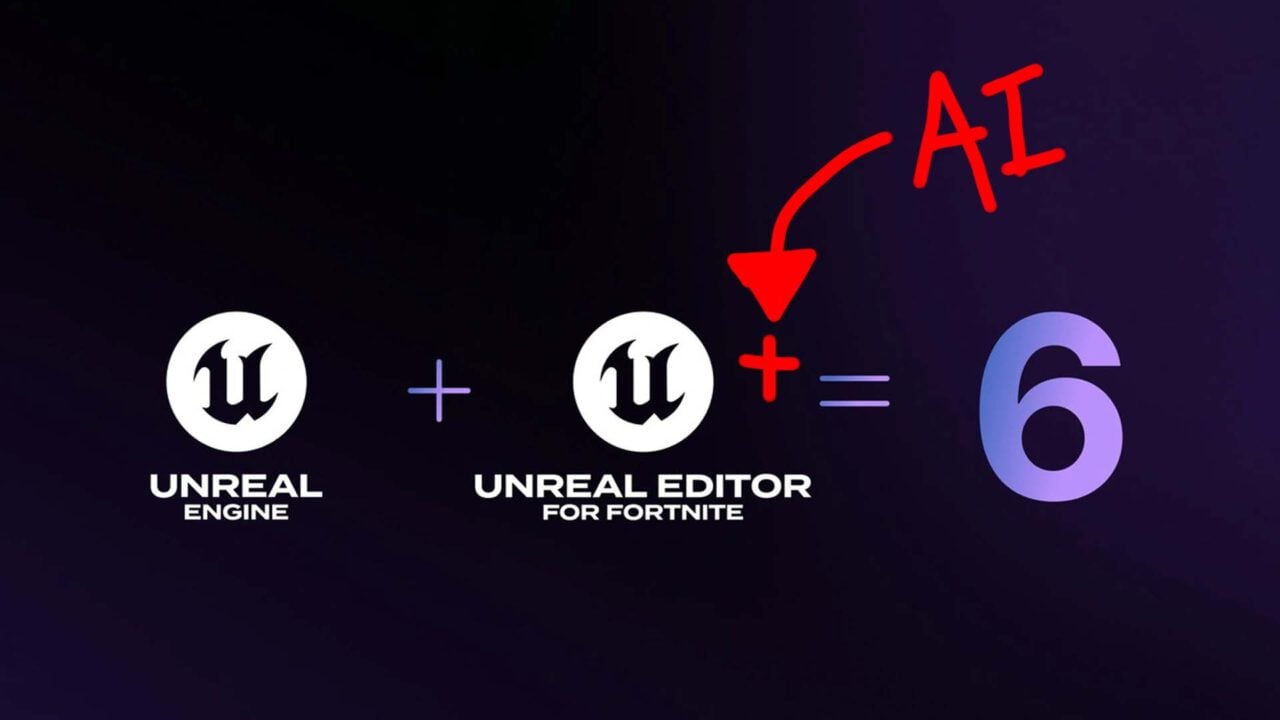
Epic Games plans to integrate generative AI tools throughout the next version of Unreal Engine, marking a major shift in how developers approach game creation. The studio revealed the expansion during a recent presentation, signaling that AI assistance will become native to the engine rather than bolted on as an afterthought.
The move reflects industry momentum. Major engines now race to embed AI capabilities. Unity has rolled out generative tools. Godot explores similar integrations. Epic recognizes that developers increasingly expect these features built into their core workflow, not sourced separately from third-party vendors.
Epic hasn't detailed exact tools yet, but the announcement suggests AI will touch multiple pipeline stages. Asset generation, code assistance, animation systems, and environmental design represent likely targets. Smaller studios stand to benefit most, as AI reduces the labor required to produce AAA-scale content with limited headcount. A two-person team using AI-assisted asset generation operates closer to a ten-person team managing traditional workflows.
The timing matters. As generative AI tools mature and legal questions around training data partially settle, game engines become natural distribution channels. Epic controls Unreal's ecosystem through the Marketplace and licensing agreements, giving the company leverage to shape how AI tools integrate with professional development.Developer reception remains mixed. Some embrace efficiency gains. Others worry about quality standardization and job displacement in art and programming roles. The concern isn't unfounded. AI-generated content often requires refinement, and tools can produce derivative work that weakens artistic identity.
Epic's approach differs from competitors in scope. Rather than offering AI as optional plugins, the company commits to deep engine integration. This forces developers using Unreal to engage with AI workflows whether they want to or not. Unreal's market dominance, particularly in AAA and mid-tier production, means this decision ripples across the industry.
The next Unreal version launches in an uncertain moment for AI in