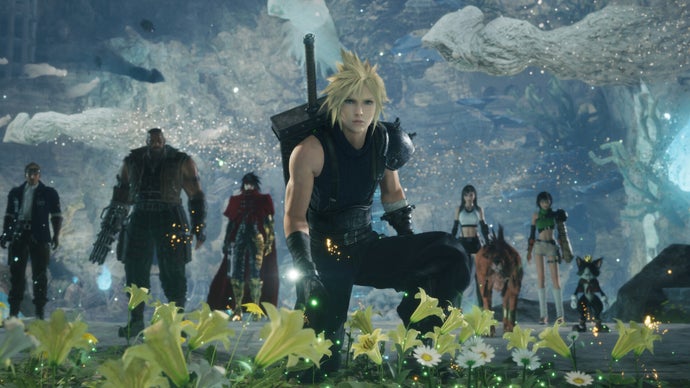
Square Enix officially revealed Final Fantasy 7 Rebirth's sequel as Final Fantasy 7 Revelation at Summer Game Fest. Director Naoki Hamaguchi explained the title choice in recent interviews, clarifying why the studio chose "Revelation" despite the game's central thematic focus being "Resolve."
The third installment in the Final Fantasy 7 Remake trilogy completes the reimagining that started with 2020's Final Fantasy 7 Remake and continued with 2024's Final Fantasy 7 Rebirth on PlayStation 5. The naming pattern follows the established arc: Remake introduces the foundation, Rebirth explores transformation, and Revelation caps the narrative.
Hamaguchi indicated that "Revelation" speaks to the game's storytelling priorities. Rather than directly naming the theme, the subtitle points toward moments of discovery and unveiled truths that shape the final chapter. The "Resolve" thematic core remains central to character arcs and player agency, but Revelation emphasizes what drives those characters toward their conclusions. The distinction matters for how Square Enix frames the narrative experience.
The Final Fantasy 7 Remake project has generated enormous player interest since its 2020 debut. The original 1997 game remains iconic, and the remake's willingness to deviate from source material created both passionate support and debate within the fanbase. Rebirth expanded the scope significantly, launching as a PlayStation 5 exclusive that showcased the console's technical capabilities.
No release date for Final Fantasy 7 Revelation has been announced yet. Square Enix typically maintains lengthy development cycles for mainline entries. The studio balances this project against other major releases, including the live-service Final Fantasy 14 and various other franchises.
The trilogy's conclusion matters beyond Final Fantasy 7 fans. The Remake project proved that revis