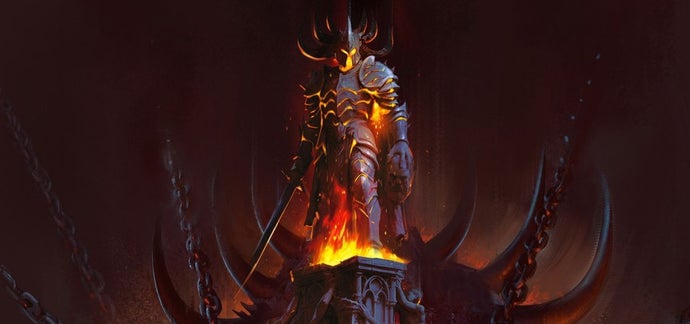
ArenaNet has launched a pointed critique of the live service gaming model, arguing that many contemporary MMOs function as "an MMO subscription hidden inside of a neat 'optional' package." The developer made these comments while outlining Guild Wars 3's monetisation philosophy ahead of the game's release.
The studio frames its new title as a "modern evolution" distinct from Guild Wars 1 (2005) and Guild Wars 2 (2012). ArenaNet acknowledges that MMORPGs and gaming broadly have transformed dramatically across the franchise's nearly two-decade history. Business models, technical architecture, and cosmetic design have all shifted radically.
ArenaNet's core argument targets the predatory nature of optional monetisation in live service games. Many studios label cosmetics, battle passes, and convenience items as "optional," yet design progression systems and quality-of-life features behind paywalls. This strategy psychologically pressures players into spending while maintaining the facade of free-to-play accessibility.
Guild Wars 3 apparently aims for transparency. Rather than masking mandatory spending as optional, ArenaNet positions its model as honest about costs. This aligns with Guild Wars 2's legacy of offering free-to-play access without pay-to-win mechanics, though expansions require purchase.
The statement reflects growing player frustration with obfuscated monetisation across the industry. Live service games from Final Fantasy XIV to Lost Ark employ aggressive cosmetic sales and convenience mechanics that functionally create subscription-like expenses without direct monthly charges. Players spend $15-40 monthly on seasonal passes, cosmetics, and convenience items, matching traditional MMO subscriptions while retaining the illusion of optional spending.
ArenaNet's transparency approach carries business risk. Clear monetisation may deter whale spending compared to psychological manipulation tactics. However, the stance targets a player base increasingly exhausted by predatory