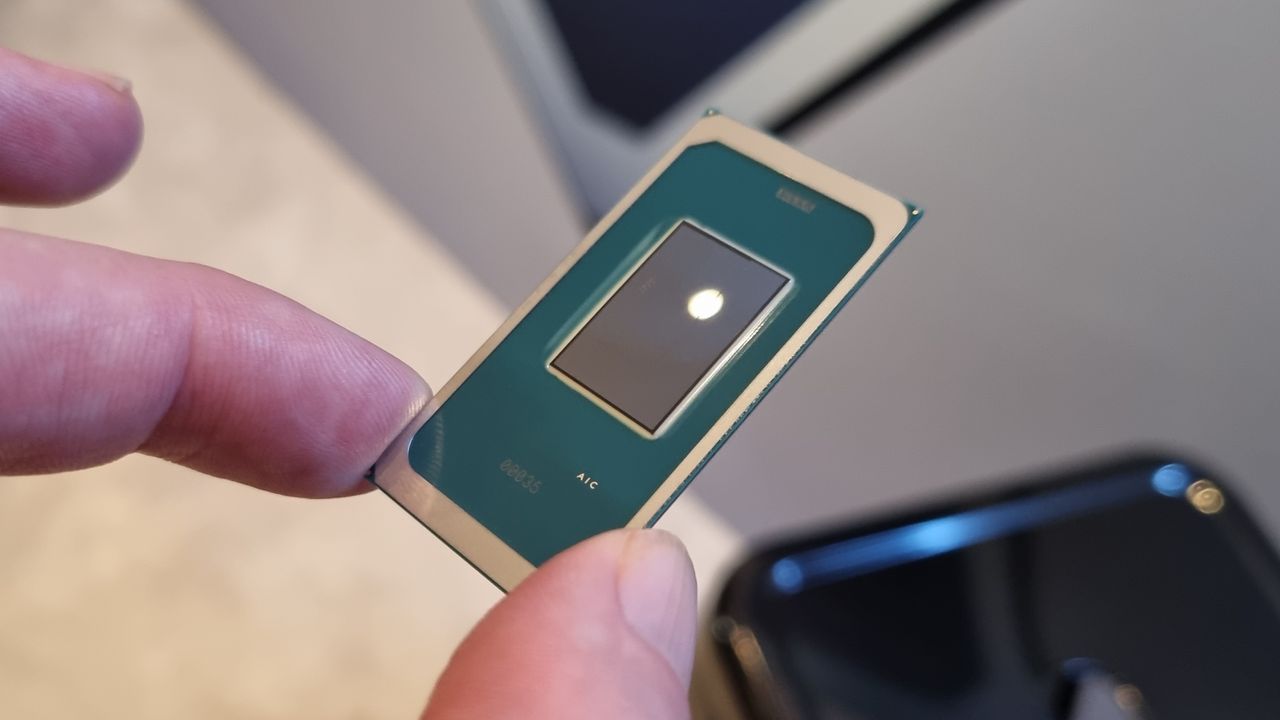
Intel has begun risk production on its 18A-P chipmaking process, marking a major milestone in the company's foundry ambitions. The new process node delivers either a 9% CPU performance boost at equivalent power levels or an 18% power reduction while maintaining identical performance.
The 18A-P advancement represents Intel's continued push to compete with TSMC and Samsung in cutting-edge semiconductor manufacturing. Intel previously announced the 18A node as part of its process technology roadmap, but reaching risk production signals the company is moving from design phase into actual wafer production at commercial foundries. This stage tests whether designs can manufacture consistently and reliably before full-scale production ramps.
The performance and power improvements matter across multiple markets. For data center processors, an 18% power reduction cuts operational costs and cooling expenses for hyperscalers running massive server farms. In consumer CPUs, the 9% performance gain appeals to mainstream buyers without requiring higher thermal envelopes. Intel's Arc discrete GPUs and future Xeon processors will likely leverage this node first.
The timing puts pressure on Intel's execution. TSMC dominates advanced node production with N3 and N4 currently shipping in volume, while moving toward N2 and N1. Samsung operates S3E commercially. Intel's 18A process aims to compete with TSMC's N2, but delays in previous nodes have eroded Intel's foundry credibility. Missing deadlines on 7, 4, and 20A damaged relationships with potential customers considering alternative suppliers.
Risk production success doesn't guarantee commercial viability. Intel must demonstrate manufacturing yield rates high enough to serve customers profitably, maintain consistent quality, and ramp volume on schedule. The company has invested heavily in Arizona, Ohio, and New Mexico fabrication plants expecting these advanced nodes to justify capital spending.
Success here directly impacts Intel's foundry business strategy under