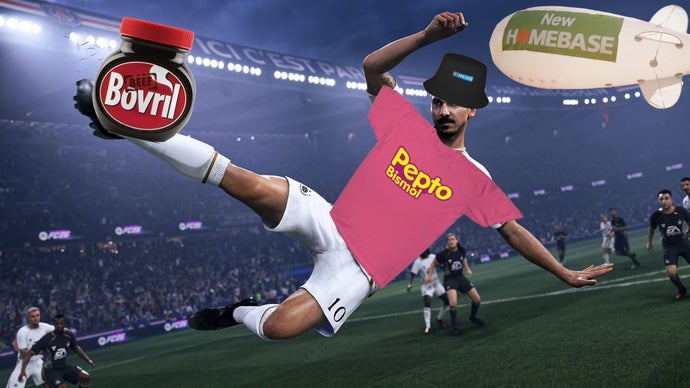
EA formally launched its in-game advertising platform, EA Advertising, positioning billboards and brand placements as a revolutionary way for companies to reach players during live experiences. The publisher frames the initiative as "transforming how brands connect with audiences," though the core concept amounts to digital billboards in games.
The platform targets major consumer brands seeking new advertising channels within EA's portfolio, which includes franchises like The Sims, EA Sports titles, and other live-service games. Companies pay to embed their logos and products directly into gameplay environments, similar to sponsorship deals that have existed in sports games for years.
EA's framing reveals the disconnect between corporate messaging and player reality. Billboards in games aren't new. FIFA and Madden have featured stadium and field advertising for two decades. Sports games normalize brand integration because real stadiums display them. The novelty here isn't the concept but EA's explicit monetization push and expansion beyond sports titles into lifestyle and simulation games.
The announcement sparked immediate skepticism from players and industry observers. The tongue-in-cheek tone of coverage reflected fatigue with publishers repackaging existing mechanics as innovation. EA's The Sims 2 H&M Fashion Stuff crossover, referenced in the announcement, represents a previous incursion into brand integration that received mixed reception.
This move reflects EA's broader strategy to extract additional revenue from established franchises. As traditional full-game sales face player acquisition challenges, live-service monetization through battle passes, cosmetics, and now advertising becomes essential to quarterly earnings targets.
The real test arrives when brands begin flooding games with ads. Sports titles can absorb them naturally. Immersion in The Sims or other narrative-driven experiences may fracture if players constantly encounter corporate messaging during critical moments.