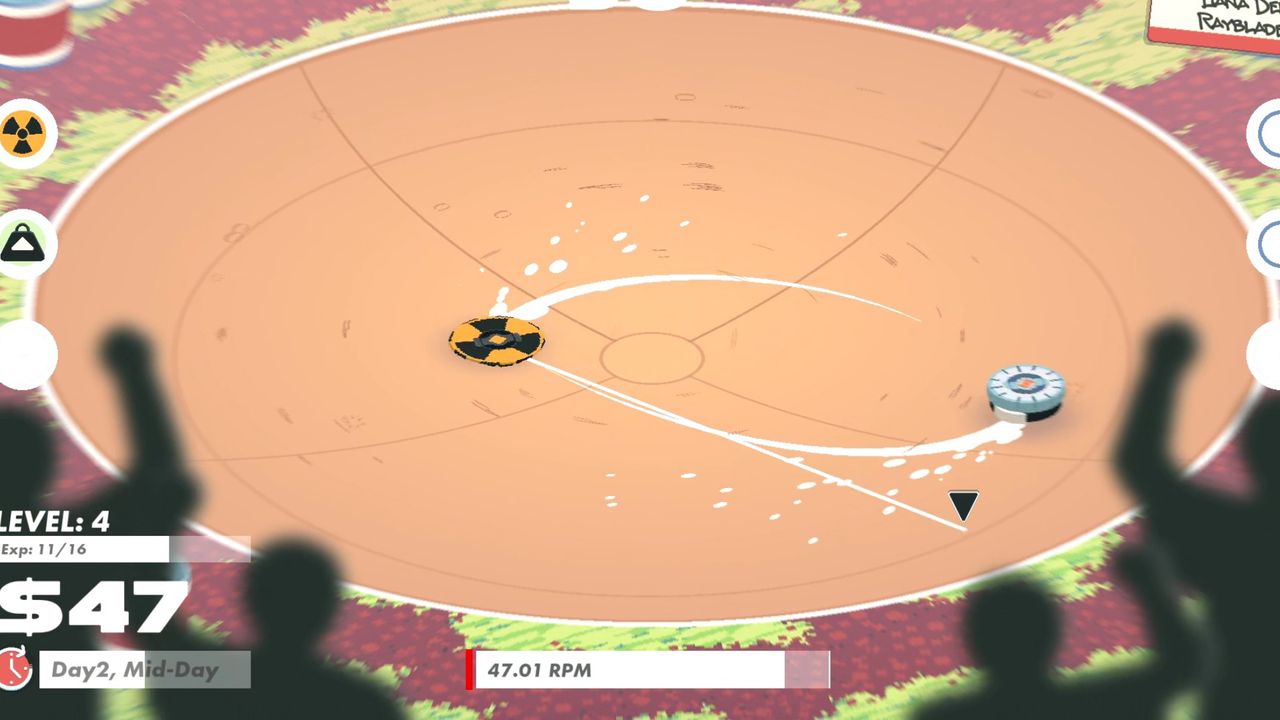
A second Beyblade-inspired roguelike has launched during Steam Next Fest, capitalizing on renewed interest in the spinning-top battle genre. The game arrives as part of a growing trend of developers mining 2000s nostalgia for gameplay mechanics and IP inspiration.
The roguelike format provides a natural fit for Beyblade's competitive structure. Players construct custom tops with interchangeable parts, then battle through procedurally generated runs where each defeat teaches lessons and unlocks new components. This loop mirrors successful roguelikes like Hades and Slay the Spire, but replaces dungeon crawling or deck building with arena combat.
Steam Next Fest exposure puts the title in front of PC players actively hunting for new experiences. The timing matters. Nostalgia-driven games have performed well in recent years, from the Teenage Mutant Ninja Turtles renaissance to the resurgence of '90s fighting games. Beyblade sits in the same cultural sweet spot.
The existence of a second Beyblade roguelike suggests the first found an audience. When indie developers greenlight spiritual sequels within the same niche, it signals genuine player demand rather than pure novelty. Both games target former kids who remember the original trading card game and anime, now adults with disposable income and Steam libraries.
Competition in the roguelike space remains intense. Thousands of titles flood the genre annually. Success depends on execution, visual identity, and whether the Beyblade theme alone sustains interest across 20-plus hour playthroughs. The spinning-top battles need to feel strategic, not just cosmetic window dressing over generic combat systems.
Steam Next Fest festivals serve as crucial launch pads for indie projects. Demos available during the event generate wishlists, community feedback, and momentum toward full release. A second Beyb