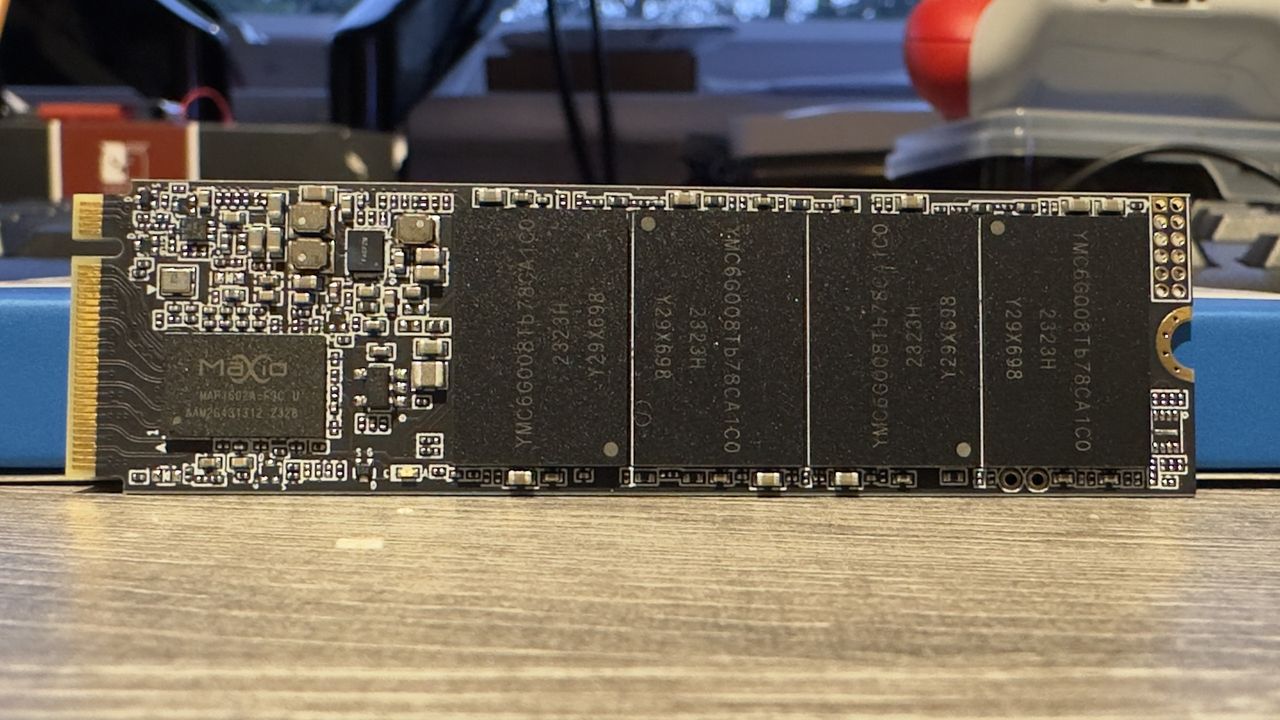
Silicon Motion, a major SSD controller manufacturer, reports that the retail solid-state drive market has virtually collapsed. The company attributes this decline to a fundamental shift in NAND flash memory allocation toward AI servers and direct OEM partnerships that bypass consumer channels entirely.
The storage industry faces unprecedented disruption as data center demand for AI infrastructure consumes massive quantities of NAND production. Original equipment manufacturers now secure drives directly from manufacturers, cutting out the retail middleman. This leaves consumer-focused channels starved for inventory, particularly the gaming PC segment that traditionally relies on retail SSDs for upgrades and new builds.
This echoes the broader semiconductor supply chain crisis affecting PC gaming. During previous shortages, GPUs and RAM faced similar allocation pressures. Now SSDs face their own version of scarcity.
Gamers seeking high-capacity drives for modern titles like Call of Duty Black Ops 6 or Starfield face limited options and elevated pricing. The shift also impacts small PC builders and system integrators who depend on purchasing retail components at scale.
The long-term implications extend beyond pricing. If AI server demand continues dominating NAND allocation, consumer storage markets may remain constrained for years. Manufacturers have little incentive to increase retail inventory when server contracts offer higher margins and guaranteed volume.
This creates opportunity for alternative technologies. PCIe 5.0 SSDs and other advanced storage solutions may see adoption delays if production capacity remains tight. The market will likely stratify further, with budget drives becoming harder to source while high-end enterprise-class storage remains plentiful.
For PC gamers, the message is clear: upgrade now if you need capacity, or expect to pay premium prices when retail inventory does return.