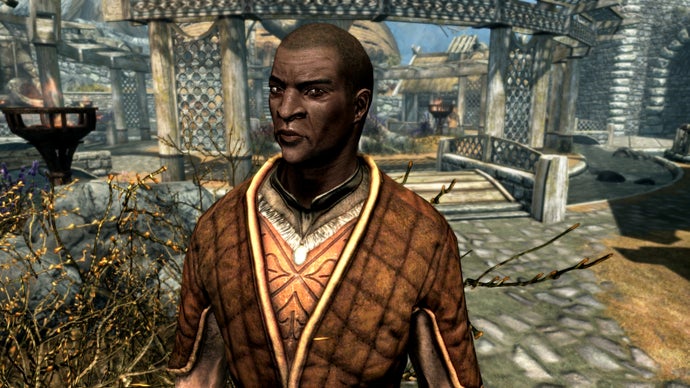
Xbox leadership is planning to accelerate release cycles for Fallout and Elder Scrolls games, according to reports, even as the company faces potential restructuring and widespread layoffs. CEO Asha Sharma has reportedly pushed for faster development of these flagship franchises owned by Bethesda Game Studios, which Microsoft acquired in 2021.
The acceleration strategy arrives amid brewing corporate changes at Xbox. Microsoft is reportedly considering spinning out Xbox as a separate subsidiary or restructuring the division entirely, with major job cuts potentially on the horizon. Sharma's push to deliver new entries in these beloved RPG series more regularly represents an attempt to maximize returns on Microsoft's substantial Bethesda investment.
Both franchises have massive installed bases. Skyrim, released in 2011, remains a cultural phenomenon and continues generating revenue across multiple platforms. Fallout's post-apocalyptic setting maintains devoted fanbases spanning decades. Pushing new installments faster could generate revenue streams that offset potential organizational upheaval.
However, the friction here runs deep. Bethesda Game Studios has a documented history with ambitious, technically complex projects requiring extended development windows. Elder Scrolls 6 has no official announcement or timeline. Fallout 5 remains unannounced. Compressing development schedules risks shipping technically compromised games, which would damage both franchises' reputations.
The timing raises additional concerns. Demanding faster output while simultaneously restructuring the company and laying off staff creates operational chaos. Studios lose institutional knowledge during layoffs, which directly impacts production velocity and game quality.
This reflects broader Xbox strategy shifts under new leadership. Recent years showed mixed results across Microsoft's first-party studios. Game Pass performance matters less if the actual games disappoint players. Fallout and Elder Scrolls represent Microsoft's best leverage in an increasingly competitive console market, but rushing them could backfire spectacularly.