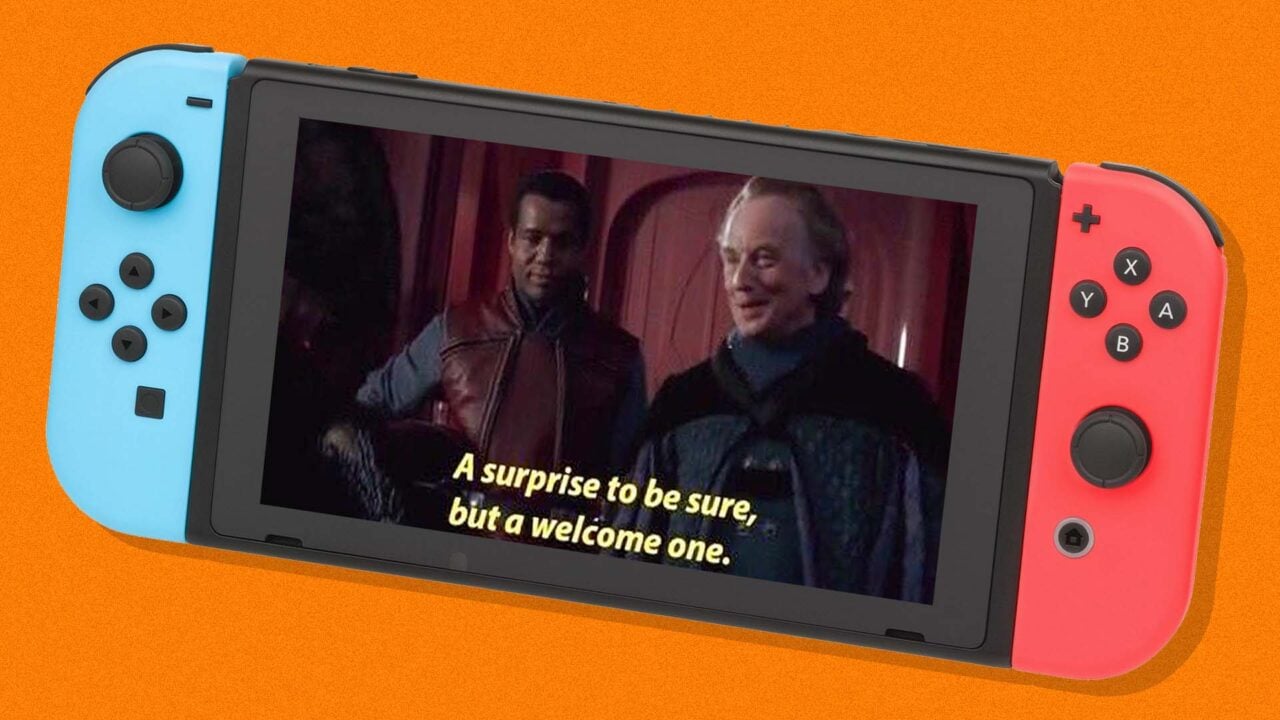
Nintendo finally addressed one of the Switch's most persistent pain points. The eShop, notorious for sluggish performance and clunky navigation, received a substantial overhaul that transforms it into a functional digital storefront.
For years, Switch owners dreaded browsing the eShop. Loading times crawled. Search functions failed to surface relevant titles. The storefront felt abandoned compared to competitors like PlayStation Store or Xbox Game Pass. Indie developers struggled with visibility on a platform where discovery mattered enormously. Players routinely defaulted to third-party websites just to find games worth playing.
Nintendo's redesign addresses these core issues directly. Load times drop noticeably. Navigation flows logically now. Search actually returns useful results. The interface no longer feels like an afterthought bolted onto the hardware.
This matters because the Switch sells games almost exclusively through digital downloads these days. Physical cartridges remain rare and expensive. Players have no escape route when the storefront breaks. The eShop slowness became a genuine friction point for impulse purchases and discovery.
The timing helps Nintendo's end-of-life narrative for Switch. As the console enters its twilight years, the company faces pressure to maintain software momentum. An improved eShop removes a barrier between players and indie titles, which sustain the platform's library when first-party releases slow down.
Industry observers note the irony. Nintendo took years to fix what competitors resolved in their launch generation. The eShop remained an embarrassment compared to digital storefronts that launched a decade prior. Yet the eventual fix demonstrates Nintendo's willingness to listen when user complaints reach critical mass.
For Switch players, especially those who rely on digital purchases, the upgrade provides genuine relief. For indie developers, improved discoverability means better sales potential. For Nintendo, the revamp extends the console's commercial viability as the company transitions players toward its next hardware announcement