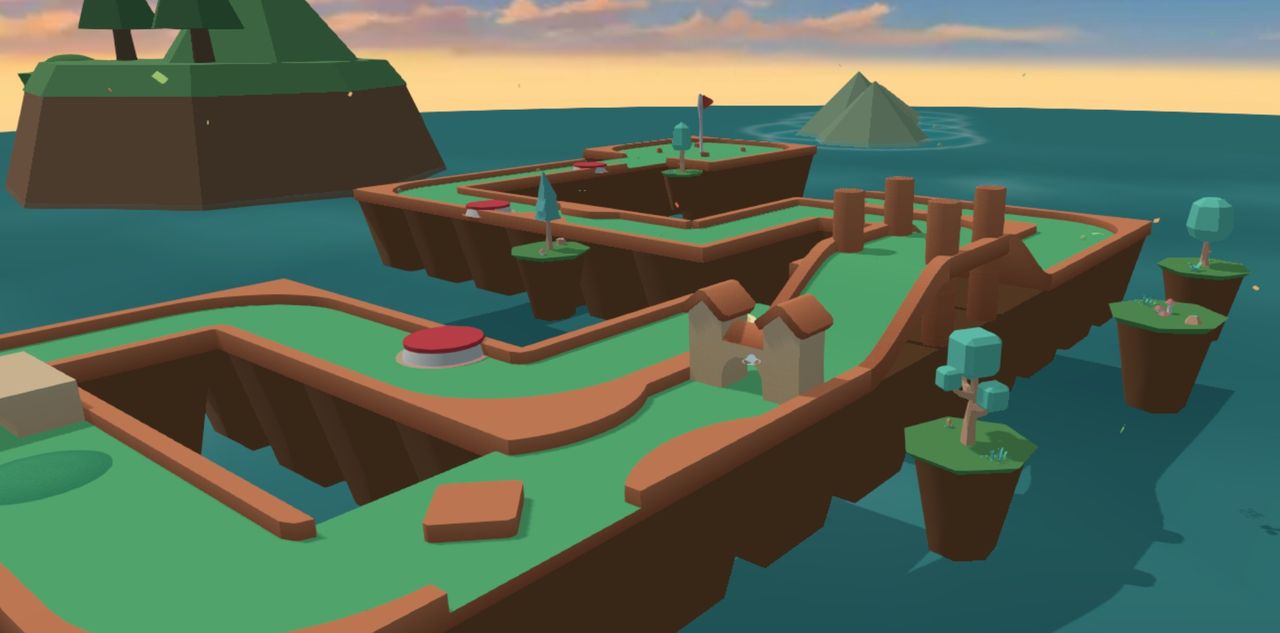
A new daily puzzle game channels Wordle's addictive formula into miniature golf. The title draws players back each day with a single challenging putt-putt hole that resets on a 24-hour cycle, matching the structure that made Wordle a cultural phenomenon.
The game strips minigolf down to its essence. Instead of a full course, players tackle one meticulously designed hole per day, armed with limited attempts to sink the ball. The puzzle-like design demands spatial reasoning and strategy rather than twitch reflexes. Each hole presents different obstacles, angles, and physics challenges that require planning and precision.
This approach mirrors Wordle's genius mechanic. By limiting players to one puzzle daily, the game creates scarcity and social conversation. Players complete the challenge, share their results, and move on. No grinding. No battle passes. No infinite replay loops.
Daily puzzle games have exploded since Wordle's 2022 breakthrough. The New York Times acquired Wordle for its Games subscription, which now includes Spelling Bee, Crossword, and Letter Boxed. Dozens of spinoffs followed, covering everything from geography trivia to emoji identification. Most succeeded by respecting player time and refusing to monetize addiction.
Minigolf represents logical territory for this format. The sport naturally operates in discrete levels and holes. Physics-based puzzles encourage contemplation and tinkering rather than speed. Players debate solutions in comment sections and Discord servers, extending engagement beyond the actual playtime.
The game targets players fatigued by live-service economies and battle passes. It offers something scarce in 2024. gaming. clarity of purpose. Log in, solve one hole, close the game. Return tomorrow.
For indie developers, daily puzzle games remain viable. They require minimal computing power, cost virtually nothing to distribute on PC, and generate community engagement without invas