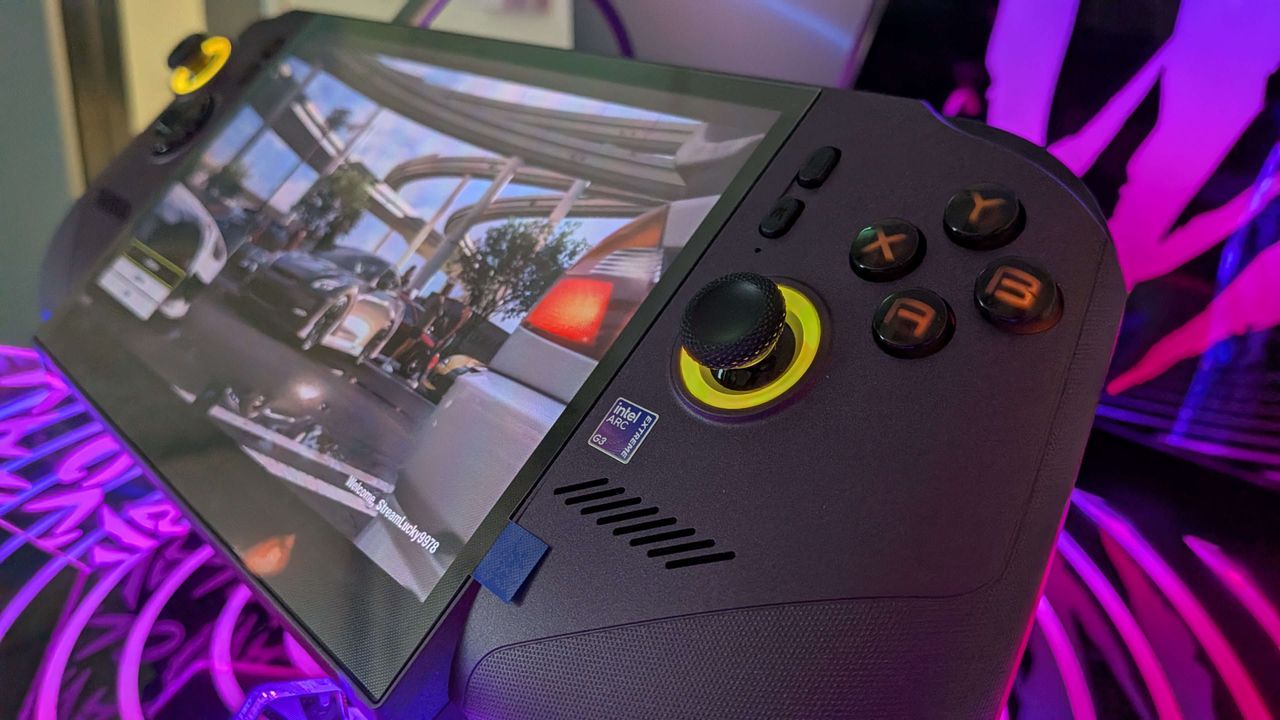
Valve's push to bring SteamOS beyond the Steam Deck continues. A new beta release now allows SteamOS to run on Intel-based handheld devices, with the MSI Claw serving as the test case for broader compatibility.
The move expands SteamOS from its Steam Deck exclusivity into a more open ecosystem. Intel handheld makers can now adopt the operating system, giving users an alternative to Windows on devices like the Claw. This matters because Windows drains battery life and adds overhead on portable hardware. SteamOS, built for performance on limited resources, offers a cleaner gaming experience.
The MSI Claw uses Intel's Core Ultra processors and has struggled since launch with software optimization and game compatibility. SteamOS could provide the Claw with a performance boost similar to what the Steam Deck achieved for AMD hardware. If the beta proves stable, the Claw becomes far more competitive against the Steam Deck in the handheld gaming market.
This beta signals Valve's long-term strategy. Rather than compete directly with every handheld manufacturer, Valve licenses SteamOS to partners. The company learned this approach works. The Steam Deck's success came partly from optimized software paired with specific hardware. By opening SteamOS to Intel platforms, Valve lets other companies profit while maintaining platform control.
The broader handheld market stands to benefit. More devices running SteamOS means developers optimize for a unified Linux-based platform instead of Windows variants. This reduces fragmentation and improves game support across the category. Asus, Lenovo, and other handheld makers may follow MSI's lead if the beta performs well.
Battery life, heat output, and frame consistency remain key questions. Early gameplay tests will determine whether SteamOS on Intel hardware matches the efficiency of Steam Deck's AMD