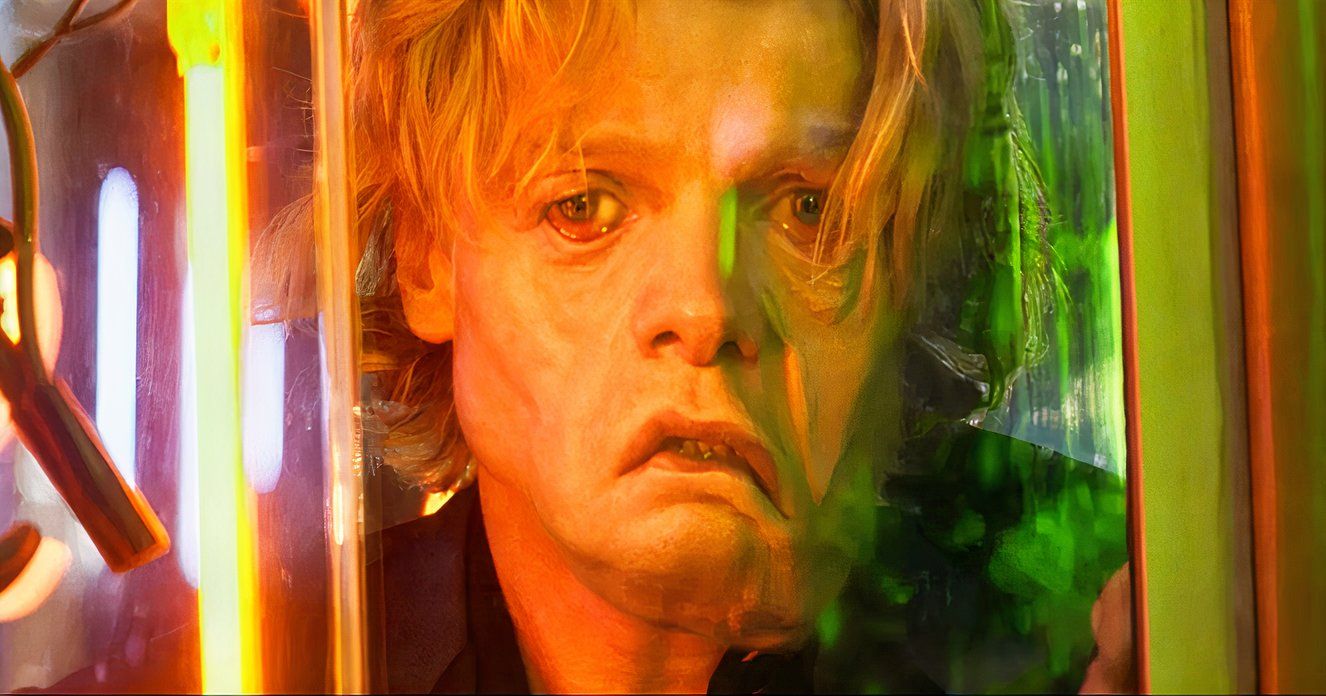
James Gunn clarified the placement of the upcoming Clayface film within DC's fragmented movie landscape. The project generated confusion about whether it exists in the new DC Universe continuity or connects to Matt Reeves' The Batman franchise.
Gunn confirmed that Clayface belongs to Reeves' The Batman universe, not the DCU proper. This matters because DC now operates multiple continuities simultaneously. Reeves' Batman world has established itself as separate from Gunn's broader DC Universe plans, which kicked off with Superman: Legacy and will reshape DC Films over the next several years.
The Batman universe already includes The Penguin HBO series, which premiered in 2024 and stars Colin Farrell. Clayface will join this expanding corner of the DC landscape rather than integrate with Gunn's interconnected superhero slate. The villain, a shapeshifter made of clay, has bounced between Batman and Superman stories in DC Comics canon, but the film adaptation chooses The Batman's grounded, noir-inspired aesthetic.
This clarification settles what confused fans and industry observers tracking DC's restructuring. Under previous leadership, Warner Bros. operated the DCEU as a connected universe. Gunn's mandate involves starting fresh with a new continuity while letting established properties like Reeves' Batman continue independently. It mirrors how Sony manages Spider-Man films separately from Marvel Studios.
The Clayface project represents a strategic bet on Reeves' Batman universe as a strong performer. The Batman (2022) earned $770 million worldwide and earned critical acclaim. The Penguin series proved audiences wanted more stories from that world. A Clayface solo film capitalizes on momentum while giving Gunn's DCU space to build its own identity without overcrowding the slate.
For viewers, the distinction matters for continuity expectations. Clayface will follow The Batman's visual