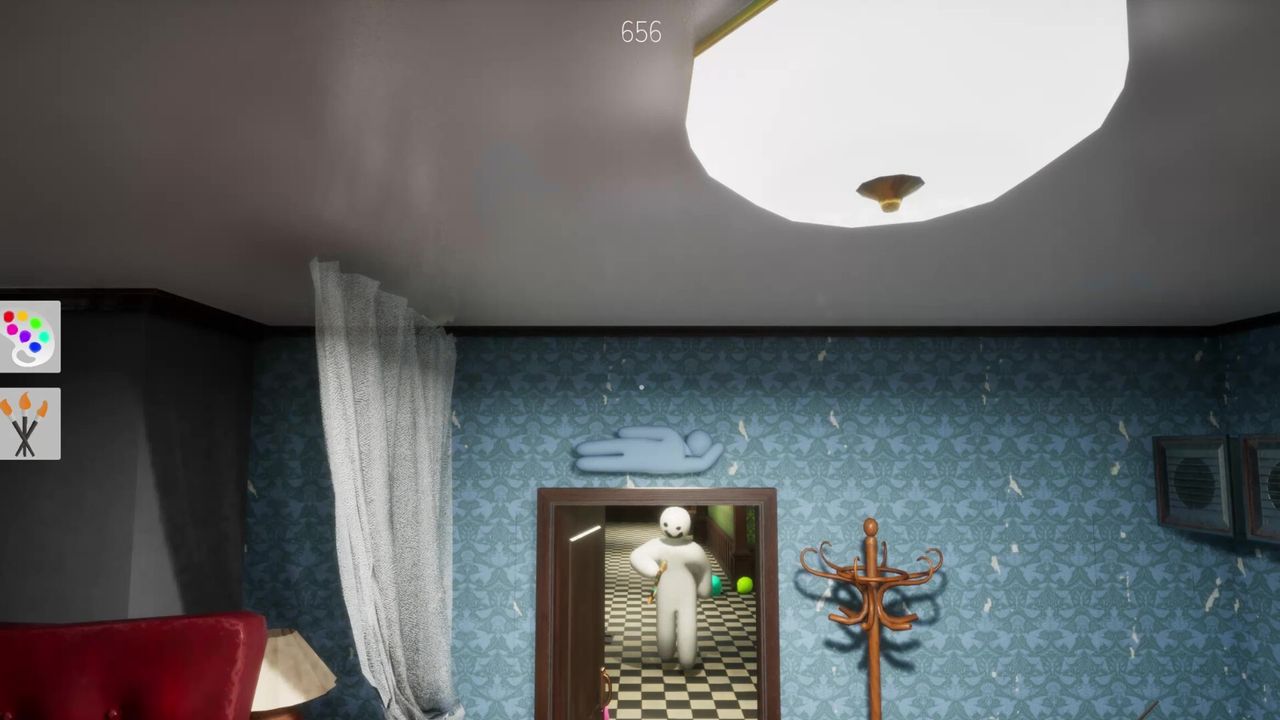
Meccha Chameleon has sold one million copies in just four days, marking a breakout success for the indie studio behind this hide-and-seek multiplayer title. The game tasks players with painting their bodies to match environmental backdrops, creating a visual camouflage mechanic that drives both competitive and cooperative play.
The rapid sales spike reflects a growing appetite for asymmetrical multiplayer games that prioritize accessibility and social gameplay over hardcore mechanics. Players take turns as either hunters or hiders. Hiders must customize their appearance to vanish into colorful, painted environments while hunters scan levels for any visual inconsistencies. The premise is straightforward but demands creative thinking and quick reflexes.
Meccha Chameleon launches into a market primed for accessible party games. Titles like Among Us, Fall Guys, and Gartic Phone proved that simple concepts executed with personality can reach massive audiences across platforms. This latest entry taps that same vein, packaging hide-and-seek nostalgia into a vibrant digital package.
The game's cross-platform availability played a role in its fast adoption. Initial availability on PC through Steam positioned it perfectly for discovery, while plans for console and mobile versions suggest the studio expects sustained momentum. The one-million milestone in four days outpaces many indie releases and puts Meccha Chameleon in rare company for breakout success.
Success of this scale attracts industry attention. Publishers and studios now scrutinize what makes these simple multiplayer experiences stick with players. The answer often lies in stream-friendly mechanics that translate well to content creation. Meccha Chameleon's visual chaos and unpredictability create natural moments for Twitch and YouTube clips.
For indie developers, this result reinforces that polished execution and accessible design can compete with AAA marketing budgets. The studio behind Meccha Chameleon capit