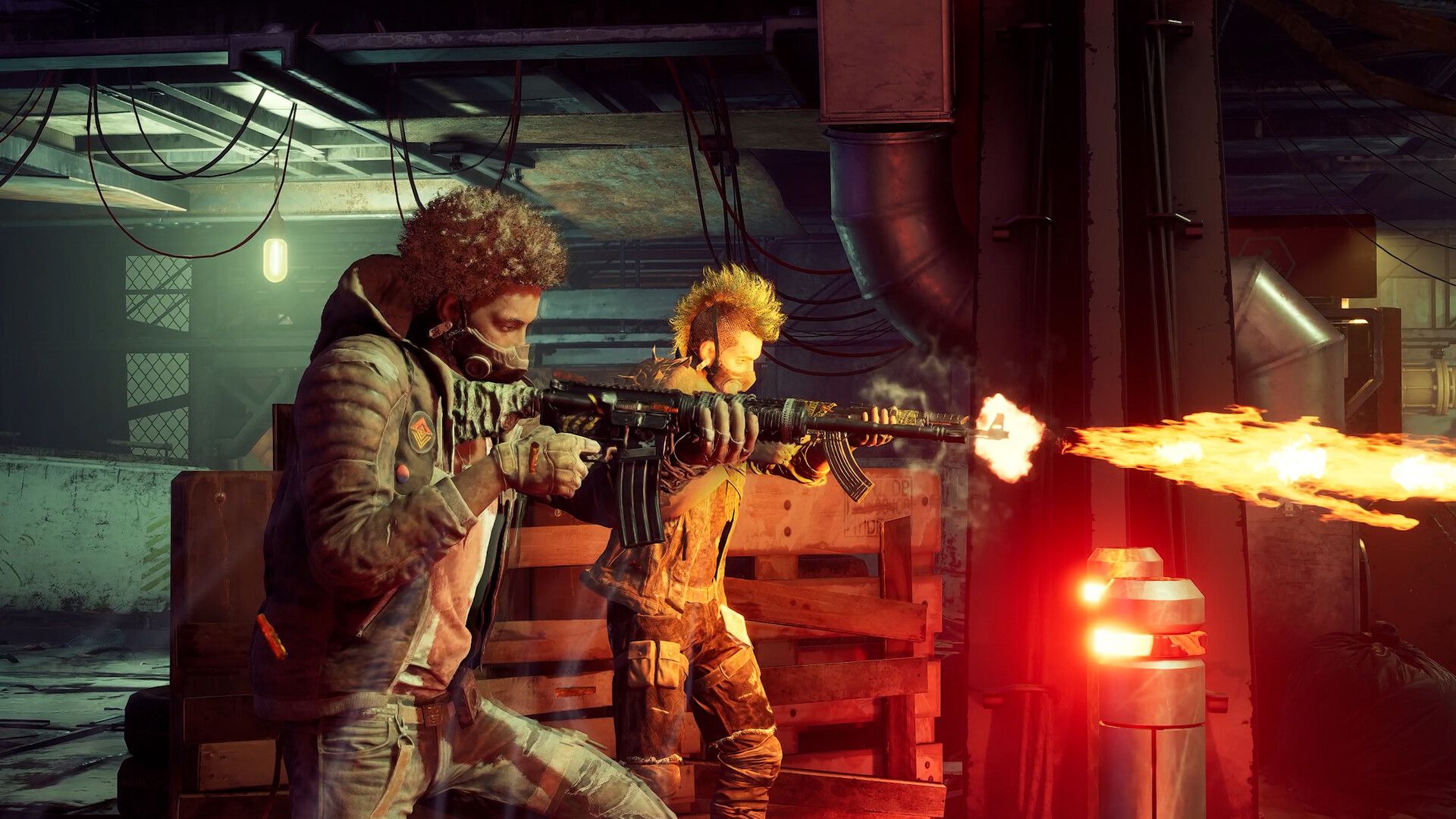
Enginefall plants survival mechanics inside a moving train, blending the claustrophobic desperation of Snowpiercer with the pvp brutality of Rust. The result feels genuinely fresh in a genre drowning in iteration.
The train setting transforms survival fundamentals. Players navigate between cars, each with distinct resource availability and dangers. Movement isn't optional survival busywork. It becomes strategic. The train's forward momentum creates natural map progression and forces player encounters on narrow corridors where resource hoarding becomes liability rather than advantage.
What separates Enginefall from survival fatigue is its social architecture. Cooperation emerges from necessity rather than forced civility servers. Hostile players still exist, but the train's confined spaces punish zergs and reward smaller, specialized crews. One group handles coal burning for heat. Another farms the hydroponic cars. A third watches perimeter defenses. Everyone depends on everyone else staying alive.
The preview reveals a game conscious of survival's worst habits. No arbitrary decay timers punishing offline players. No grind walls designed around battle pass seasons. Enginefall respects player time while maintaining stakes. Death carries weight. Loss stings. Comeback mechanics exist without softening consequences.
Graphics run clean and functional, prioritizing readability over spectacle. On PC, performance remains stable even with multiple players in dense car sections. The art direction sells the setting without demanding cutting-edge hardware.
Snowpiercer's narrative tension permeates Enginefall's design DNA. The train becomes both shelter and prison, safety and cage. Vertical hierarchy matters. Access to the engine determines power. Food scarcity breeds politics. These systems emerge naturally from survival needs rather than scripted events.
Enginefall launches into early access soon. For players exhausted by Valheim clones and Rust wipe cycles, this train represents a different direction. Survival games