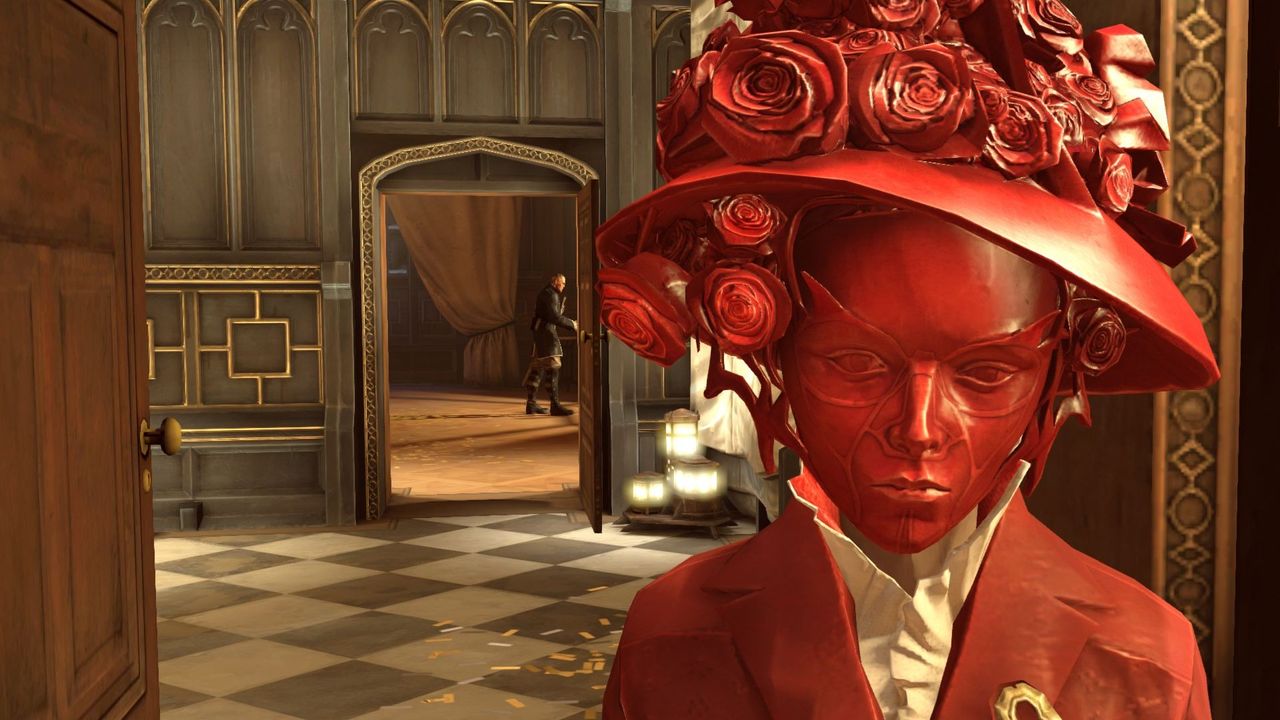
Arkane Studios creative director Raphael Colantonio recently defended the loading screens in Dishonored, pushing back against common complaints about their length and frequency. The developer expressed genuine affection for the technical necessity, noting that loading sequences were integral to how the game structured its immersive world design.
Colantonio also revealed that Dishonored originally contained an Evil Dead-inspired severed-hand sequence that didn't make the final cut. The discarded scene aligned with the game's dark horror aesthetic but ultimately didn't fit the narrative flow Arkane wanted to achieve. This detail underscores the studio's commitment to tonal consistency, even when sacrificing creative moments.
The loading screen defense reflects a broader design philosophy at Arkane. Rather than viewing loads as technical burden, Colantonio framed them as part of the player experience. Loading screens in Dishonored served functional purposes beyond mere data streaming. They created breathing room between intense stealth sequences, reinforced the game's supernatural atmosphere through visual design, and gave players mental breaks during lengthy play sessions.
This perspective matters as the industry moves toward faster hardware. Many developers now treat loading as something to hide or eliminate entirely. Colantonio's comments suggest older generation design choices had merit beyond pure technical limitation. The framing also reflects how Arkane approached Dishonored's immersive sim design. Every element, including downtime, contributed to world-building.
The Evil Dead reference hints at Dishonored's horror influences. While the game leans toward steampunk assassination fantasy, its supernatural elements draw from horror traditions. That severed-hand scene would have deepened those connections but risked tonal whiplash within the larger narrative.
Arkane's willingness to defend loading screens and discuss cut content reveals developer confidence in their design decisions. Rather than apologizing for technical constraints, Colantonio artic