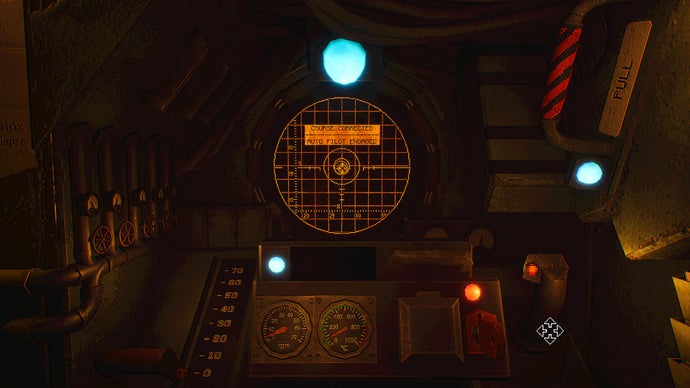
A psychological horror sim called Mole launches on Steam today from developers who previously worked on GTFO, the punishing cooperative shooter. Mole tasks players with operating an enormous drilling vessel packed with religious imagery and grotesque mechanical systems while exploring themes of madness, faith, and obsessive excavation.
The game combines tactile simulation mechanics with horror storytelling. Players engage with bulky drilling instruments and vessel controls that demand attention and interaction, creating tension through physical engagement rather than jump scares. The design philosophy echoes indie horror successes like Iron Lung, which built dread from confined spaces and unseen threats, and Mouthwashing, which grounded cosmic horror in mundane ship operations.
Religious symbolism permeates Mole's aesthetic. The drilling vessel itself becomes a character defined by faith-driven obsession, with bloody iconography suggesting both spiritual fervor and physical horror. This thematic pairing transforms industrial machinery into something unsettling, where religious devotion and mechanical violence intertwine.
The GTFO pedigree matters here. That game established these developers as craftspeople willing to make uncompromising experiences demanding player precision and attention. GTFO's cooperative intensity and relentless design philosophy now inform Mole's approach to horror, where simulation depth creates immersion rather than spectacle. The shift from combat-focused gameplay to simulation-heavy exploration marks creative evolution rather than abandonment of core design principles.
Mole arrives in a market where indie horror continues proving its commercial viability. Games emphasizing atmosphere, unique mechanics, and thematic depth consistently outperform AAA horror efforts that rely on familiar tropes. Mole's focus on tactile simulation and philosophical horror positions it squarely within this trend.
The game's Steam release targets PC audiences who value experimental horror and mechanical depth. Early reception will indicate whether the blend of simulation mechanics, religious horror imagery