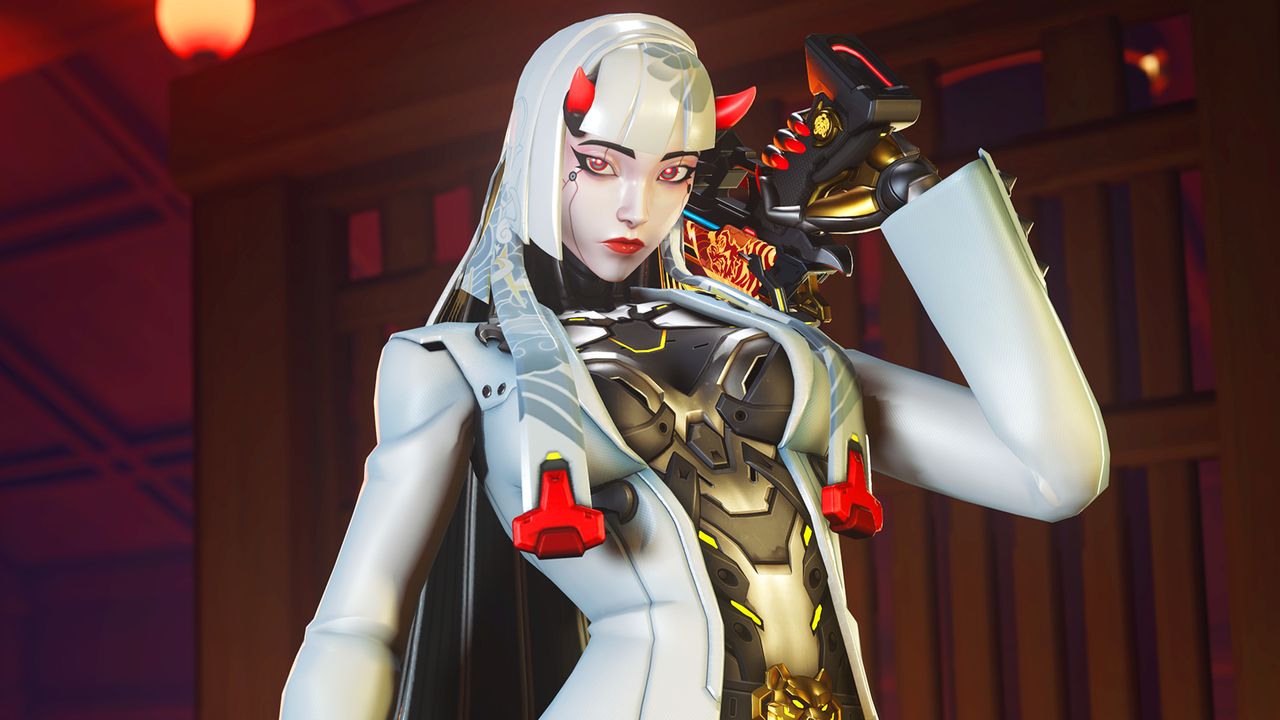
Blizzard considered implementing Devil May Cry's style rank system into Overwatch 2 for Shion, the game's 52nd hero. The mechanic would have rewarded players for chaining abilities together continuously, tapping into the combo-focused gameplay that defines Capcom's action franchise.
Shion launched as a duelist hero with mobility and offensive capabilities built around fluid ability sequencing. The style rank system would have gamified that playstyle further by giving players a visible meter that escalated as they executed consecutive ability chains without downtime. Higher ranks would unlock bonuses or visual feedback, pushing aggressive, rhythmic play.
Blizzard ultimately scrapped the concept for Shion's final design. The decision reflects ongoing balance concerns in Overwatch 2. Rewarding constant ability usage could have forced heroes into narrow playstyles or created frustrating skill floors for newer players. The hero shooter already struggles with ability bloat and overloaded kits. Adding a mechanical layer that incentivizes spam chaining would complicate an already dense meta.
Shion still landed as a high-skill hero requiring tight ability timing and positioning. Players who master her kit unlock devastating damage output, but without the explicit style rank carrot dangling meter. The design philosophy remains intact: reward mechanical execution and sequencing. The execution just avoids Devil May Cry's explicit gamification.
This decision highlights Blizzard's current design restraint. The studio has pulled back from feature-creeping individual heroes after years of power scaling issues that fractured the competitive meta. Keeping Shion's kit focused on raw performance rather than overlaying a secondary progression system keeps her balanced within the 52-hero roster.
Devil May Cry's style system works in a single-player action game with difficulty settings and enemy variety. Overwatch 2's competitive, team-based environment