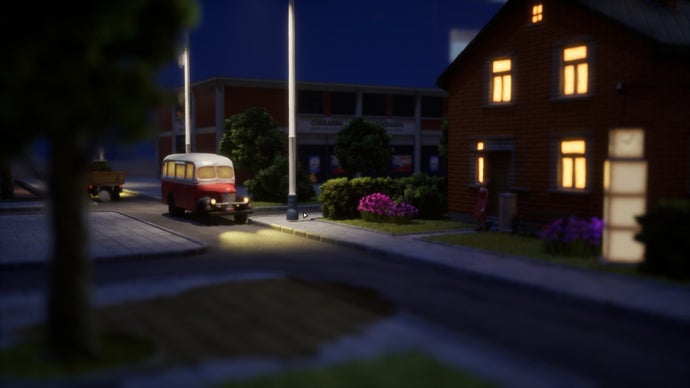
Zlin City: Arch Moderna takes the city-building genre in an unconventional direction. Rather than sprawling metropolises, this game focuses on intimate diorama-scale construction using digitized physical models. The developers scanned real-world miniatures to create the game's assets, giving it a tactile, handcrafted aesthetic that distinguishes it from typical PC city builders.
The game draws inspiration from Ziln, a real Czech city known for its modernist architecture. This grounding in actual urban design adds historical and cultural depth to what could otherwise be a purely mechanical experience. Players build scaled-down cities using these scanned models, creating intricate scenes rather than managing traffic flow and municipal budgets across vast digital landscapes.
This approach addresses a specific gap in the city-builder market. Games like Cities: Skylines and SimCity demand significant player investment in large-scale planning and optimization. Zlin City: Arch Moderna appeals to players seeking a more contemplative, artistic building experience. The diorama format encourages creative expression and detail-focused design over pure systemic complexity.
The physical-model scanning technique reflects broader industry trends toward photogrammetry and real-world asset integration. This method creates authenticity and visual warmth that pure 3D modeling sometimes lacks. The result feels closer to tabletop hobby building than traditional digital city management.
Indie and mid-tier developers increasingly explore niche approaches within established genres. Zlin City: Arch Moderna exemplifies this trend. Rather than compete directly with AAA juggernauts, it carves out territory for players interested in smaller-scale, aesthetically focused gameplay.
The game releases on PC, positioning itself within a genre historically dominated by that platform. Its focus on visual charm and architectural appreciation rather than economic simulation opens appeal beyond traditional city-builder enthusiasts.