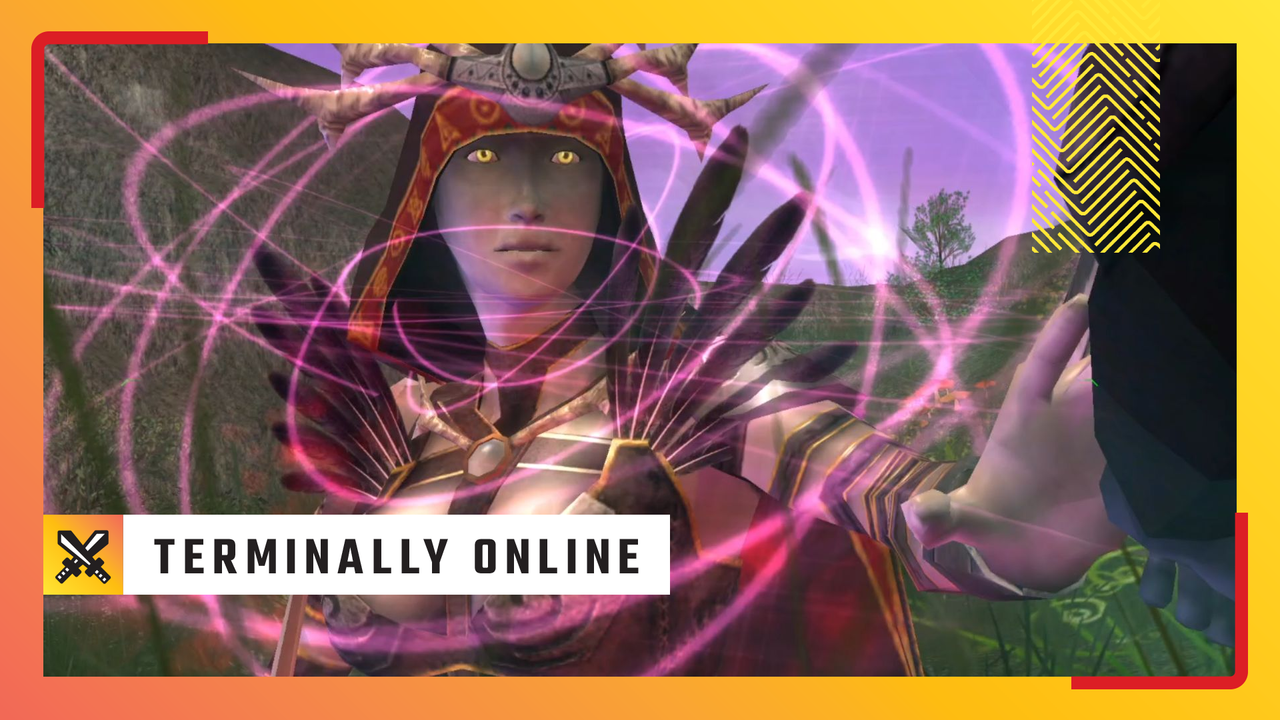
A veteran developer from legendary MMOs Ultima Online and Star Wars Galaxies says the traditional "theme park" MMO model is hitting a dead end. As development budgets climb into the tens of millions, the economics no longer work for games built around linear quest lines and seasonal content updates.
The designer points to player sentiment directly: audiences feel underserved and overmonetized. The gap between what players receive and what they're charged has widened enough to break the old formula. Theme park MMOs, named for their guided roller-coaster approach to content, dominated the 2000s through early 2010s with titles like World of Warcraft, but that template required constant feeding of new dungeons, raids, and storylines to justify subscription fees or battle pass spending.
Development costs spike because building these experiences demands massive teams. Voice acting, cinematics, zone design, endgame content systems, balance patches. The cycle never stops. When a single expansion costs $20-30 million to produce and only retains 60 percent of players quarterly, the math breaks down fast.
The observation reflects real industry stress. MMO launches have slowed dramatically. New World struggled with retention. Final Fantasy XIV expanded aggressively but operates under Square Enix's deep pockets. Guild Wars 2 abandoned its living world expansion model. WoW faces retention cliffs. The proven winners now operate on narrower scopes: Elder Scrolls Online found stability, Old School RuneScape thrives, but newer ambitious projects consistently underperform.
What replaces the theme park? The developer's experience with SWG points toward sandbox MMOs where players create the content ecosystem. Lower dev costs, higher player agency, less reliance on quarterly content treadmills. Games like EVE Online prove the model can sustain, though it demands community willing to build their own stories rather than consume