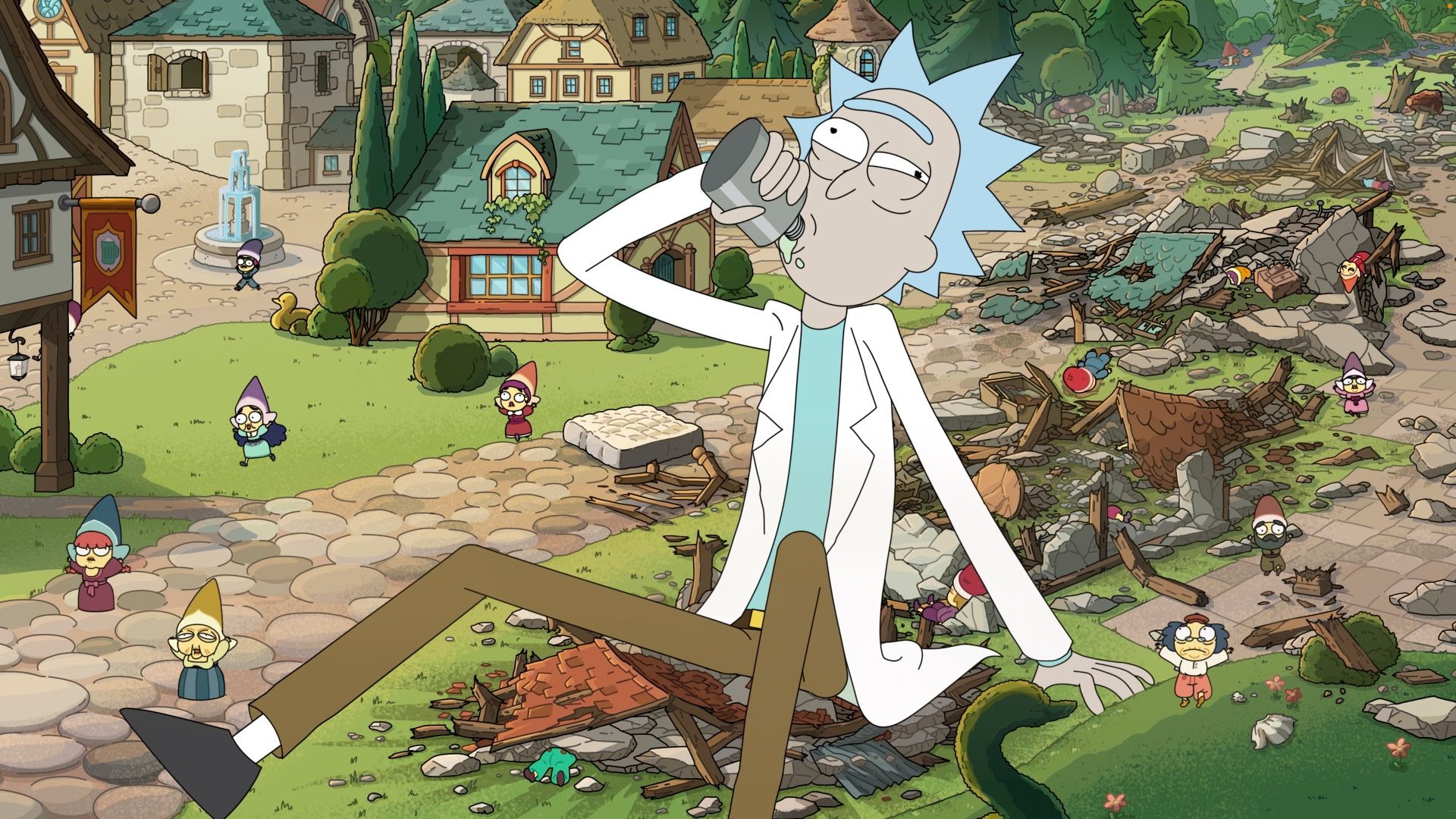
Dan Harmon and Scott Marder, the showrunners behind Rick and Morty, are navigating a delicate creative challenge in season 9. The pair addressed how the show handles Rick's chronic alcoholism, a core trait of the titular character that defines much of the series' humor yet carries genuine darkness.
The showrunners face pressure to balance comedy with substance. Rick's drinking fuels many of the show's jokes, but Harmon and Marder recognize the character's addiction reflects real struggles viewers experience. Season 9 appears to lean into this tension more deliberately than previous seasons.
Harmon and Marder didn't provide specifics on how season 9 will treat Rick's alcoholism differently, but their willingness to publicly discuss the matter signals a shift in tone. Rick and Morty built its audience partly on the absurdist chaos driven by an unreliable drunk protagonist, yet the show has gradually explored the emotional fallout of his behavior on his family.
This approach reflects broader changes in adult animation. Series like Bojack Horseman paved the way for shows that mined addiction for both humor and genuine pathos. Audiences now expect depth alongside laughs, particularly when a character's substance abuse shapes their relationships and decisions.
The season 9 conversation matters for Adult Swim's flagship property. Rick and Morty consistently performs as the network's top draw, generating merchandise revenue and cultural relevance. How Harmon and Marder handle Rick's alcoholism affects both the show's emotional resonance and its comedic identity.
The challenge runs deep. Rick's drinking enables the plot structure: he drags Morty into dangerous adventures while intoxicated, creating situations that blur morality and consequence. Treating his addiction with more seriousness could fundamentally change the show's mechanics while risking alienation of viewers who came for the crude humor