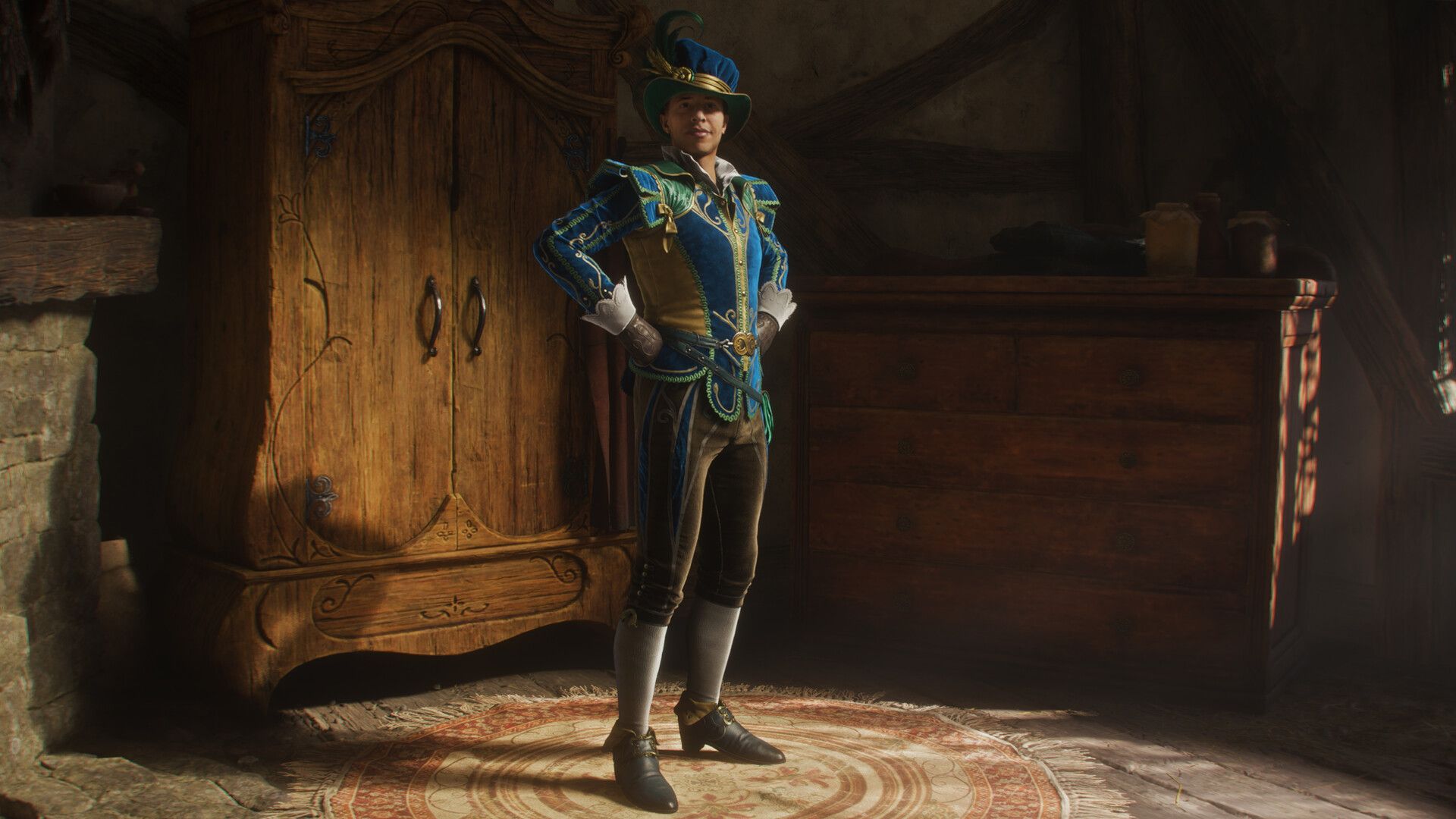
Playground Games' Fable reboot, launching in 2027, will resurrect one of the franchise's most divisive mechanics. the ability to become a tyrannical landlord who exploits tenants for profit. This feature defined Fable 3, where players could purchase property and extract wealth from desperate citizens, creating moral quandaries that shaped your character's alignment.
The new Fable leans into player agency around morality and cruelty. Rather than railroading choices, the game trusts you to pursue selfish paths without judgment. You can amass wealth through rental extortion, abuse your power, and watch Albion's citizens suffer the consequences. The core question Polygon raises remains unresolved. will this freedom carry the same emotional weight as earlier titles, or does modern Fable treat cruelty as just another playstyle option without stakes.
Fable's legacy rests on its willingness to let players feel like antagonists. The original 2004 game let you corrupt your hero through dark magic and morally indefensible acts. Fable 3 pushed further, presenting landlord systems where your actions directly harmed NPC welfare. These mechanics worked because the game acknowledged your villainy with consequences. NPCs remembered your cruelty. Your reputation shifted. The world reflected your sins.
Whether 2027's Fable recreates this impact depends on execution. Playground Games has rebuilt the franchise from scratch, abandoning Lionhead Studios' original vision. Early footage shows improved graphics and expanded combat, but whether the studio understands what made moral choices resonate remains unclear. Cruelty without consequence becomes empty. Exploitation without NPC reaction becomes just another revenue system.
The landlord mechanic specifically requires careful design. If tenants simply pay rent regardless of conditions, the choice loses weight. If they resist, struggle,