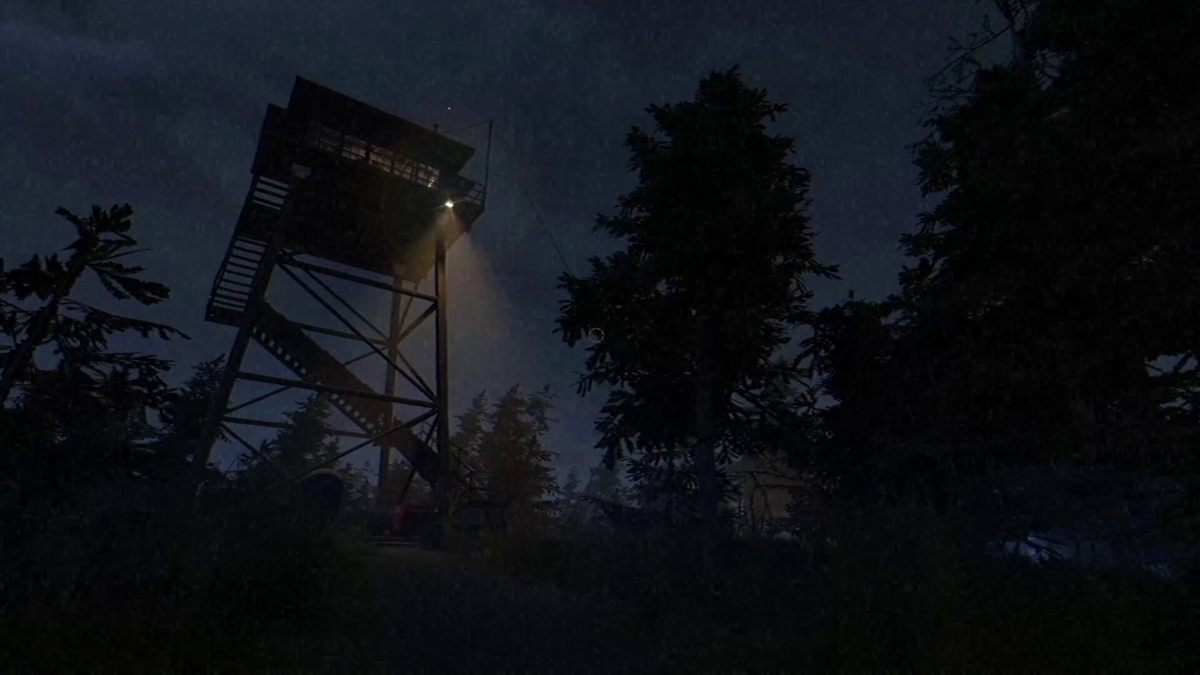
Fears to Fathom, the indie horror anthology developed by Rakowsky Games, presents itself as a collection of supposedly true stories, but the reality is more nuanced. Each episode functions as a standalone narrative within the broader anthology framework, with the developer intentionally blurring the line between fiction and reality to maximize psychological impact.
The game's framing device suggests these are accounts from real people experiencing genuine paranormal or psychological events. However, Rakowsky Games has never confirmed any episode as factually accurate. The developer crafts each story with enough mundane detail and present-tense narration to feel authentic, creating an atmosphere of plausibility that serves the horror genre better than outright supernatural spectacle would.
Episodes like "Alone," "The Greys," and "Beneath the Surface" lean into this ambiguity deliberately. They avoid cartoonish scares in favor of creeping dread built through ordinary circumstances that slowly veer into the inexplicable. The anthology format allows players to question whether each scenario represents genuine testimony or polished fiction masquerading as confession.
This approach mirrors the found-footage horror boom that proved players crave believability over visual spectacle. Fears to Fathom capitalizes on this appetite by withholding definitive answers. The game respects player intelligence enough to let them decide what feels real and what feels constructed.
The indie horror community has embraced this ambiguity. Players engage with Fears to Fathom as though reading creepypasta or browsing paranormal forums, where the truth matters less than the emotional authenticity of the telling. Rakowsky Games understands this dynamic and weaponizes it effectively.
Whether any episode draws from genuine events remains unknown and ultimately irrelevant to the game's effectiveness. Fears to Fathom succeeds because it understands that horror thrives in uncertainty.