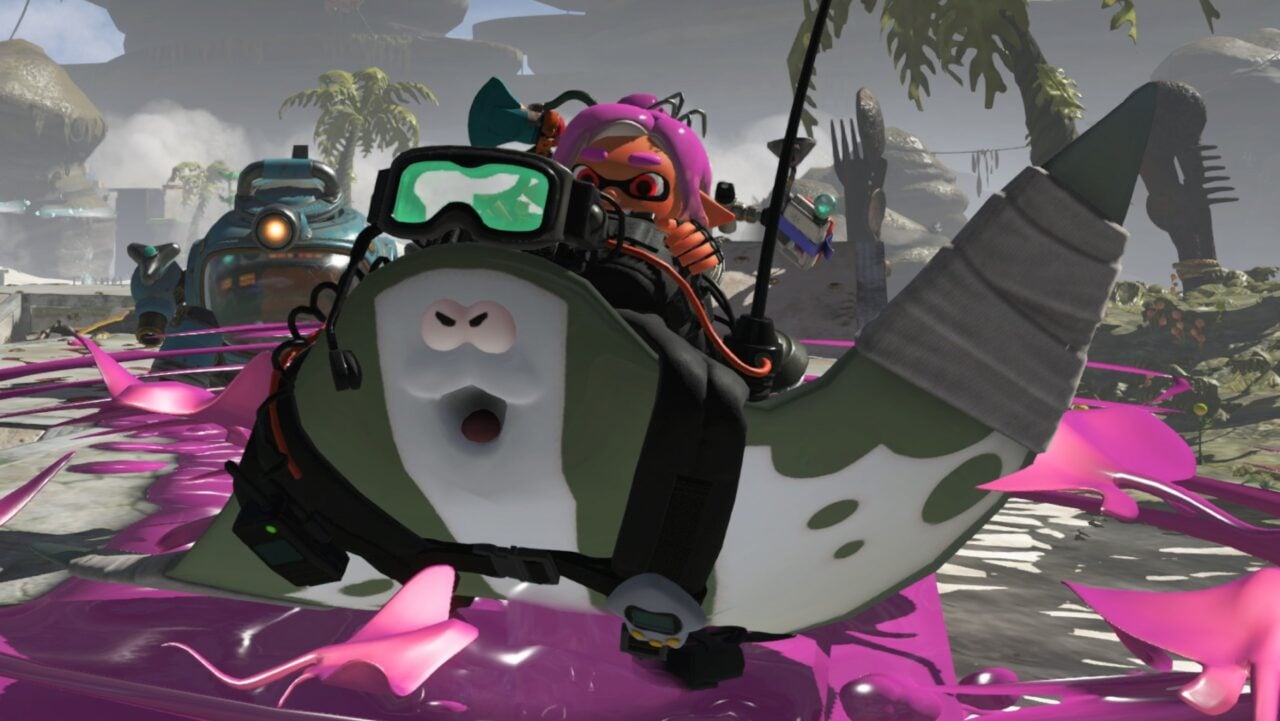
Nintendo revealed Splatoon Raiders, a single-player focused spin-off that marks a departure from the franchise's multiplayer roots. The game tasks players with leading raids against enemy forces using ink-based mechanics in a campaign setting.
Raiders abandons the competitive turf wars formula that defined Splatoon and Splatoon 3. Instead, it emphasizes cooperative raid objectives where players command squads through tactical encounters. Nintendo positioned this as the franchise's answer to PvE-driven shooters, directly challenging the live-service multiplayer dominance.
The game introduces rideable creatures and expanded movement mechanics not seen in previous entries. Players traverse environments on creatures like sting rays, expanding traversal beyond traditional platforming. This addition suggests Nintendo intends Raiders to feel fresher than a standard campaign expansion.
Nintendo confirmed Raiders launches exclusively on Switch, cementing the platform's shooter portfolio beyond the competitive scene. The decision reflects confidence in Switch's ability to support both multiplayer and single-player gaming experiences simultaneously.
The reveal signals Nintendo's willingness to experiment with Splatoon's identity. Rather than iterating on multiplayer formulas, the company developed an entirely separate product targeting players who prefer structured narratives and PvE content. This strategy mirrors how other franchises spawn specialized entries.
Raiders appears aimed at audiences fatigued by seasonal battle pass models and ranked matchmaking. The raid structure suggests progression tied to story completion rather than ranked tiers, appealing to players seeking completion-focused experiences.
Nintendo hasn't announced a release window, leaving questions about how Raiders integrates with Splatoon 3's ongoing content roadmap. The announcement suggests development parallels existing support rather than replacing it.
Splatoon Raiders represents Nintendo testing whether the franchise extends beyond its core competitive identity. Success here could justify further experimental spin-offs, while poor reception might keep future Splatoon titles anchored to multipl