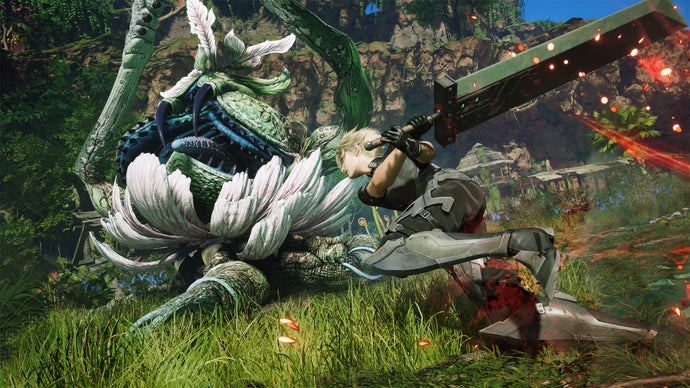
Final Fantasy 7 Revelation director Naoki Hamaguchi insists the trilogy's ending has been planned from the beginning, pushing back against skepticism from players who view the remakes as narratively unpredictable.
The Final Fantasy 7 Remake project launched in 2020 with substantial deviations from the original 1997 game. The Whispers, interdimensional entities tied to fate itself, introduced narrative flexibility that allowed Square Enix to chart new story directions. Players debated whether these changes signaled a complete reimagining or a guided retelling of familiar beats.
Rebirth, the second entry released in 2024, continued this balancing act. It preserved core character arcs and plot points while introducing fresh twists and character moments. Revelation, arriving next year, concludes the trilogy.
Hamaguchi's assertion addresses a core tension in the remake project. Long-time fans remain divided over whether the Whispers represent creative freedom or narrative chaos. Some welcome the unpredictability. Others view it as disrespectful to the source material. Hamaguchi's statement suggests the apparent improvisations actually fit a larger design.
Square Enix has provided limited detail on Revelation's scope and story. The studio released minimal footage and marketing materials, maintaining mystery around the finale. This secrecy fuels speculation about how dramatically the trilogy will diverge from the original's ending.
The original Final Fantasy 7 features Cloud and his allies confronting Sephiroth and Jenova across three discs. Aerith's death remains one of gaming's most iconic moments. How Revelation handles these sacred story moments remains unknown, though Hamaguchi's confidence suggests the team has a coherent vision guiding all three entries.
Whether players trust this vision depends largely on their tolerance for remakes that remix rather than strictly