Game developers hunting for publisher backing face a brutal reality: most won't even read a pitch without a playable prototype. This demand creates a catch-22 that disproportionately hurts indie studios with limited resources.
Suspicious Developments founder Tom Francis defines the prototype requirement clearly. A prototype must be "a playable build that meaningfully shows what's good about your game, a proof of concept." The catch: developers must build it on their own dime, betting time and money they may never recover if publishers pass.
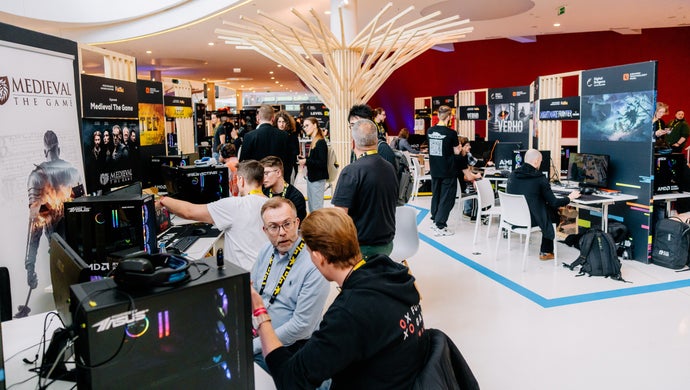
Studios like Bloober Team, Jagex, 11 bit studios, and various indie developers spoke at Digital Dragons 2026 about this brutal hurdle. The problem extends beyond simple cost. Publishers often request prototypes without committing funding, forcing developers to gamble months of unpaid labor. Smaller teams simply lack the runway to absorb that risk.
The prototype expectation has warped the funding landscape. Publishers want tangible proof before investment, but demanding playable builds shifts development costs onto studios least equipped to handle them. Mid-tier and indie developers must choose between burning cash on a prototype or never getting meetings.
AI-generated pitches have made things worse. Studios report that low-effort, AI-written proposals now flood inboxes, forcing publishers to demand prototypes just to filter out lazy submissions. Legitimate developers get caught in the same net.
The system favors well-capitalized teams. Studios with publisher backing, existing franchises, or venture capital can afford prototype development. Truly independent developers grinding on day jobs cannot.
Publishers justify the requirement: prototypes prove concept viability and reduce investment risk. Developers counter that gatekeeping innovation this way strangles emerging talent. The conversation at Digital Dragons reflected real frustration. Multiple studios acknowledged building prototypes that showcased promising ideas but failed to secure funding anyway.
This dynamic shapes what games get made