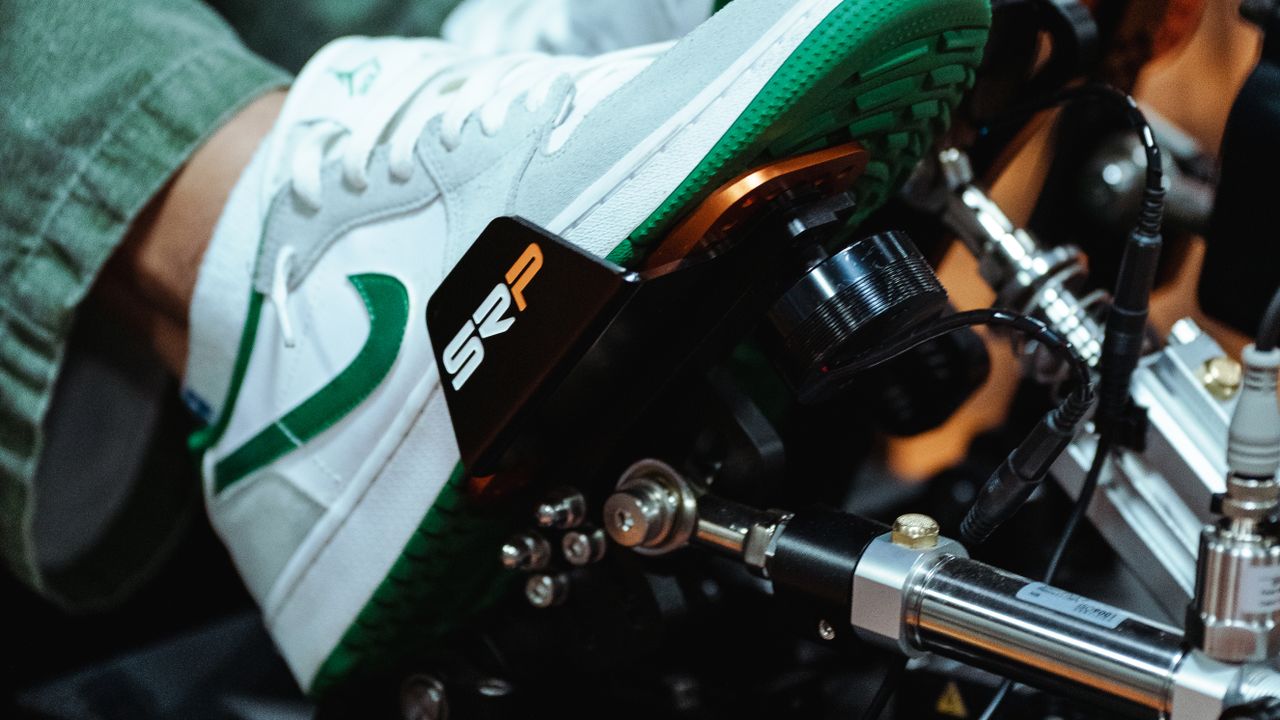
The SimRacing Expo 2026 revealed a thriving ecosystem for simulation racers, with sophisticated hardware, dedicated communities, and legitimate esports infrastructure driving the segment forward. Meanwhile, arcade racing has contracted dramatically. The casual racing market now orbits almost entirely around Forza Horizon, which stands alone as the dominant arcade racer in the current generation.
This split reflects broader trends in gaming. Sim racing attracts hardcore players willing to invest in wheel setups, rigs, and demanding physics engines. Gran Turismo Sport, iRacing, Assetto Corsa Competizione, and rFactor 2 compete for this audience. The genre has professionalized. Major esports organizations field racing teams. Manufacturers sponsor drivers. Prize pools grow. Players spend hundreds or thousands on equipment, and the barrier to entry has created a self-reinforcing community of committed enthusiasts.
Arcade racing once thrived in the mainstream. Burnout, Need for Speed, and Project Gotham Racing delivered accessible thrills without learning braking points or tire compounds. These franchises faded as development budgets migrated elsewhere. EA's Need for Speed franchise limped along, mostly forgotten. Burnout vanished after 2011. The genre collapsed from market saturation and shifting player preferences.
Forza Horizon inherited this space by accident. What started as a spin-off became the sole arcade racer with AAA resources and annual releases. Playground Games controls the market entirely. Forza Horizon 5 dominated its generation. Horizon 6 will face little direct competition when it launches.
This divergence matters for industry strategy. Publishers see racing split into two lanes. The sim lane demands commitment from dedicated players but generates sustained engagement and esports revenue. The arcade lane offers broader appeal but requires constant innovation to maintain relevance against Forza's near-monopoly.